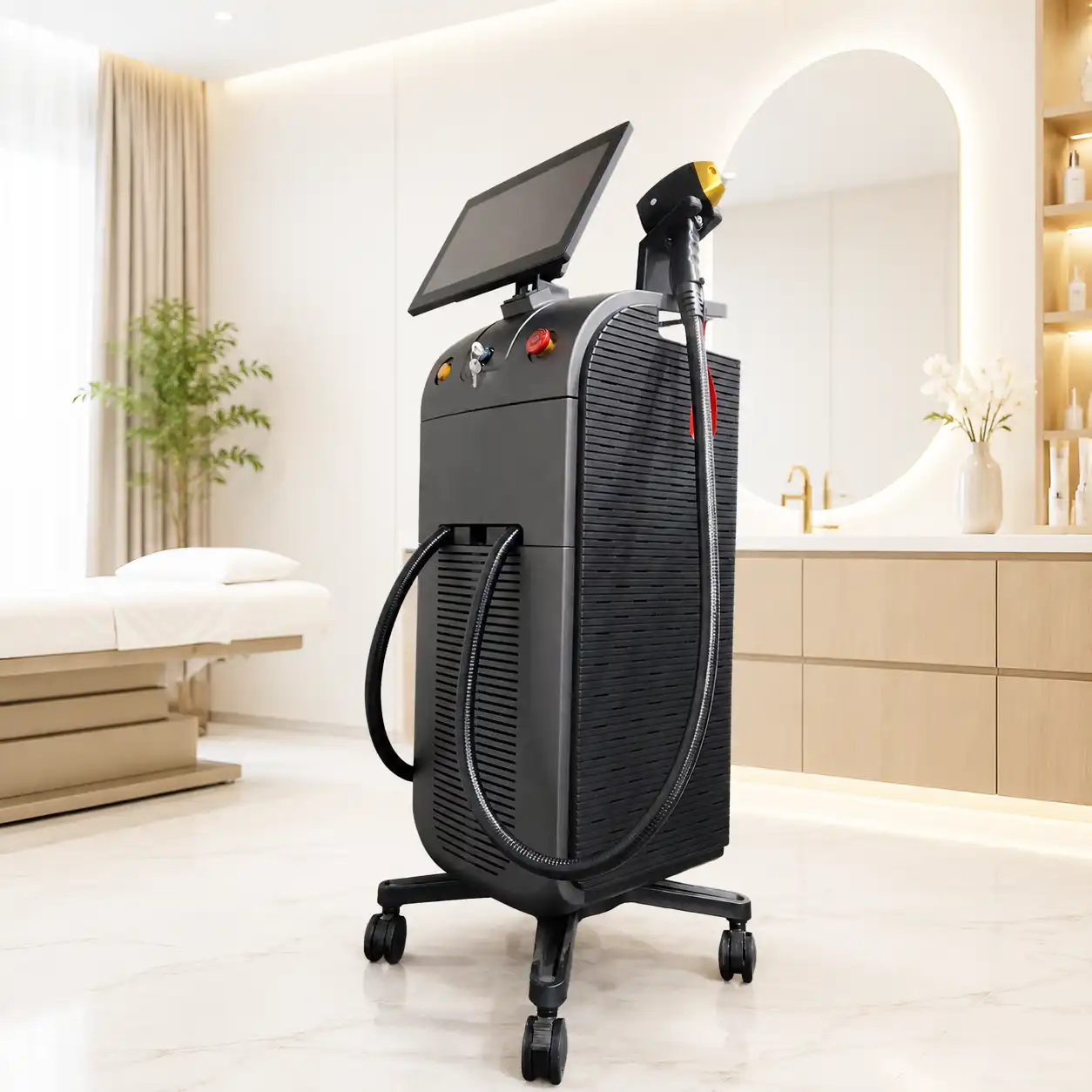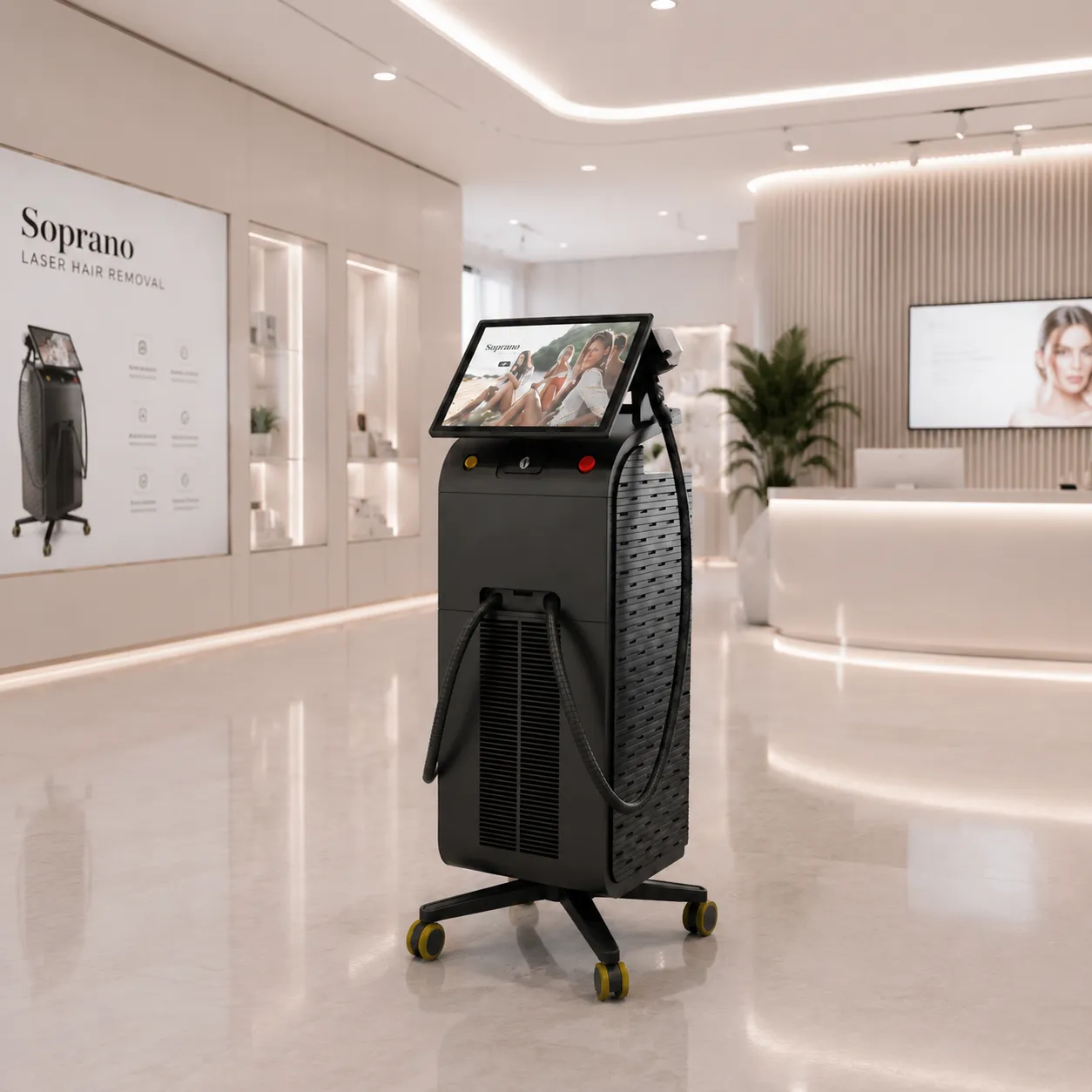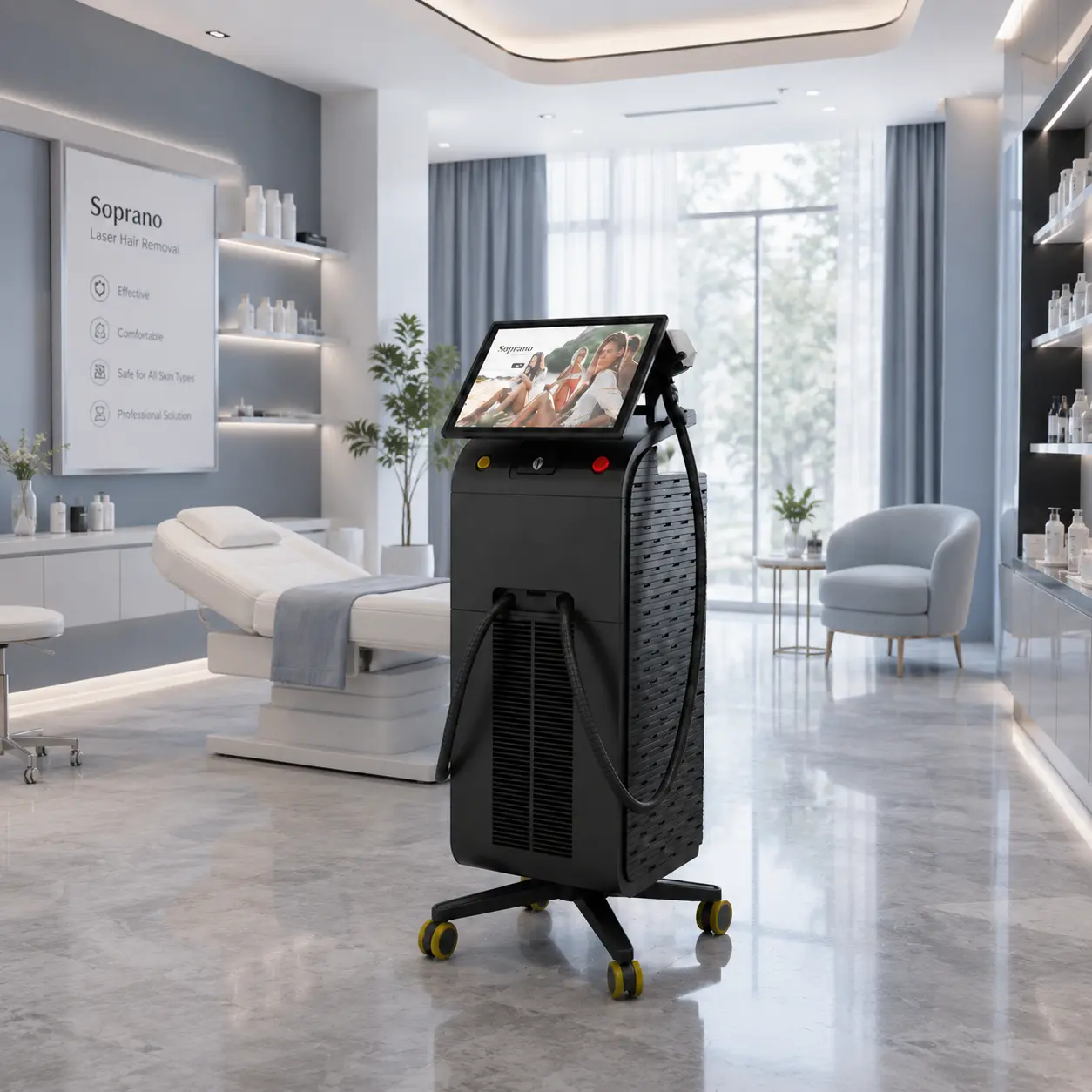

If you are planning to introduce a tattoo removal service to your beauty salon, tattoo studio, medical spa, or plastic surgery clinic, your primary question is likely: “How much does professional tattoo removal equipment actually cost?”
As of 2026, the market price range for professional tattoo removal equipment is vast, with no standardized pricing. The final price is determined by several key factors, including laser technology, available wavelengths, energy output, cooling systems, brand credentials, industry certifications, and the accompanying after-sales service.
Entry-level professional devices can be purchased for just a few thousand dollars, whereas high-end picosecond systems from leading brands can cost tens of thousands of dollars or more. Faced with such a wide price gap, many people struggle to make the right choice.
This guide breaks down market prices and key pricing factors in plain language. It also explains hidden costs associated with equipment operation and teaches you how to accurately assess investment value and return on investment (ROI). Our goal is to help you avoid common purchasing pitfalls and select cost-effective tattoo removal equipment that perfectly meets your business needs.
How Much Does a Tattoo Removal Machine Cost?
Many customers are curious about the tattoo removal machine price. It should be noted that the listed figures are only market reference ranges, not fixed quotes. The tattoo removal machine cost is affected by multiple factors including brand, laser source, energy output, wavelengths, cooling system and after‑sales support. If you want to know the real laser tattoo removal machine cost for your project, please feel free to contact us for detailed offers.
Machine Type | Typical Price Range |
Entry-level Q-switched laser | $2,000–$5,000 |
Professional Q-switched laser | $4,000–$10,000+ |
Professional Pico laser | $8,000–$30,000+ |
High-end branded Pico laser | $30,000–$100,000+ |
What Factors Affect the Cost of a Tattoo Removal Machine?
Laser Technology
Laser technology is one of the primary drivers of price differences in tattoo removal equipment.
**Q-Switched Nd:YAG**
As a mature and widely adopted tattoo removal solution, Q-Switched Nd:YAG lasers reliably shatter pigment. They fall into the mid-range price category and are well-suited for most general tattoo removal needs.
**Picosecond Lasers**
Picosecond systems generate shorter pulse durations. They break down ink particles into finer fragments, thereby reducing treatment time. Due to advanced laser cavity designs, picosecond lasers come with a higher overall cost.
Wavelengths
Different wavelengths target different tattoo ink colors; therefore, the number and configuration of available wavelengths directly impact the final **cost of the tattoo removal machine**.
– **1064 nm**: Primarily targets dark inks such as black and dark blue. It penetrates deeper into skin tissue, making it suitable for darker skin types.
– **532 nm**: Targets warm-toned pigments—including red, orange, and yellow inks—acting on relatively superficial skin layers.
– **755 nm**: Effective for green and blue tattoo pigments. Adding a 755 nm module increases the **cost of the laser tattoo removal machine** but expands the range of ink colors the device can treat.
Devices combining multiple wavelengths command a higher **price** than single-wavelength units.
Laser Power and Energy
When evaluating equipment, higher raw power does not always equate to better performance; consistency in treatment parameters and stable output are more important.
– **Fluence (Energy Density)**: Determines the amount of energy delivered to the target tattoo ink. Excessively low fluence yields poor clearance results, while inconsistent fluence leads to uneven treatment.
– **Pulse Duration**: Controls how energy interacts with pigment particles. Matching the pulse width to the ink type is crucial for safe tattoo removal.
– **Repetition Rate**: Refers to the number of laser pulses emitted per second, influencing treatment speed. – **Maximum Energy**: Indicates peak energy capability; however, stable, continuous output is more practical than merely high peak performance.
Many low-cost devices advertise impressive peak figures but fail to maintain consistent performance during prolonged operation.
Cooling System
The cooling design influences the **price of the tattoo removal machine** and patient comfort during the procedure.
– **Air Cooling**: Features a simple structure and lower cost. It is suitable for light use but offers limited heat dissipation during continuous operation.
– **Water Cooling**: Provides superior heat dissipation for extended operation and is commonly found in mid-to-high-end tattoo removal machines.
Advanced cooling systems increase the cost of the equipment but reduce the risk of skin injury and enhance the client experience.
How to Choose a Tattoo Removal Machine Without Overpaying
Before Purchasing: Look Beyond the Sticker Price
Verify Laser Technology
Confirm whether the device utilizes Q-switched, picosecond, or other suitable short-pulse laser technologies; the specific technology used directly determines the actual tattoo removal results.
Check Wavelength Configuration
Ensure the device’s wavelength capabilities cover the range of tattoos and pigmentation issues you encounter in your daily practice and align with your specific service needs.
Assess Energy Stability
Do not focus solely on maximum energy output figures; request detailed specifications from the supplier and pay close attention to the stability of the energy output.
Evaluate the Cooling System
For clinics with high patient volume and frequent equipment usage, a reliable cooling system is essential to ensure the machine operates stably over extended periods.
Review Warranty Terms
Be sure to clarify warranty details before purchasing:
– What is the total duration of the warranty?
– Which components are covered under the warranty?
– Is a parts replacement service provided?
– Who bears the shipping costs associated with warranty claims?
Check Technical Support
Low-priced equipment can lead to high hidden costs if effective technical support is unavailable when malfunctions occur.
Confirm in advance whether the supplier provides:
– Remote troubleshooting/diagnosis
– Video-based operational training
– Spare parts supply
– Comprehensive technical manuals
– Repair services
– A clear commitment to after-sales response times
How Much Can You Make With a Tattoo Removal Machine?
Potential revenue is influenced by a combination of factors: local market conditions, the fee charged per treatment session, the size of the tattoo, client volume, and daily operating costs.
Consider a simple example: a shop charges $100 per tattoo removal session, performs four treatments a day, and operates 20 days a month.
Total monthly treatment revenue: $100 × 4 × 20 = $8,000.
However, this $8,000 represents total revenue, not actual profit.
Various expenses must be deducted:
Venue rent
Staff wages
Marketing and promotional costs
Insurance
Equipment maintenance costs
Taxes
Payment processing fees
Other miscellaneous operating expenses
Therefore, when calculating investment projections, do not focus solely on the fee per treatment; instead, prioritize calculating the net profit generated by each session to ensure a more realistic assessment.
FAQ
- Is a Q-switched tattoo removal machine cheaper than a picosecond laser?
Yes, traditional Q-switched lasers usually have a lower upfront cost than picosecond lasers, though some mid-tier models overlap in price. When choosing your device, do not only compare price — consider wavelengths, energy stability, clinical uses, warranty, and your daily treatment volume.
- Is a picosecond tattoo removal machine worth the cost?
Picosecond lasers are ideal for clinics wanting faster, higher-quality tattoo removal and versatile treatment capabilities. However, you need to weigh the higher investment cost against local market demand, your service pricing, customer volume, and expected payback period.
- How long does a tattoo removal machine last?
A machine’s lifespan depends on its laser source, cooling system, component quality, usage frequency, and daily maintenance. Instead of only asking for overall machine lifespan, confirm the service life and replacement costs of core parts with your supplier.
- Can a tattoo removal machine be profitable?
Absolutely. Tattoo removal services are profitable with stable customer demand, reasonable pricing, and controlled operating costs. Your actual profit depends on client volume, machine utilization, rent, labor fees, marketing expenses, maintenance, and initial equipment investment.
- What is the cheapest professional tattoo removal machine?
Entry-level Q-switched lasers are the most budget-friendly professional options for tattoo removal. That said, never choose a machine based solely on low price. Always compare core factors: laser source, energy stability, wavelength coverage, cooling performance, warranty terms, and technical support.
Conclusion
There is no one‑size‑fits‑all answer to the question “How much does a tattoo removal machine cost?” — pricing hinges on your machine type and intended business use.
Basic professional Q‑switched units come with a more manageable upfront investment. By contrast, high‑end multi‑wavelength picosecond systems command a much higher price tag.
When shopping, look beyond just the tattoo removal machine price. Evaluate laser technology, wavelength options, energy consistency, cooling performance, warranty coverage, certifications, technical support, ongoing maintenance expenses, and projected return on investment.
For most clinics and studios, neither the cheapest nor the priciest device makes the automatic best pick. The ideal laser tattoo removal machine balances solid performance, dependable build quality, reliable after‑sales service, and reasonable total operating costs to fit your unique business needs.