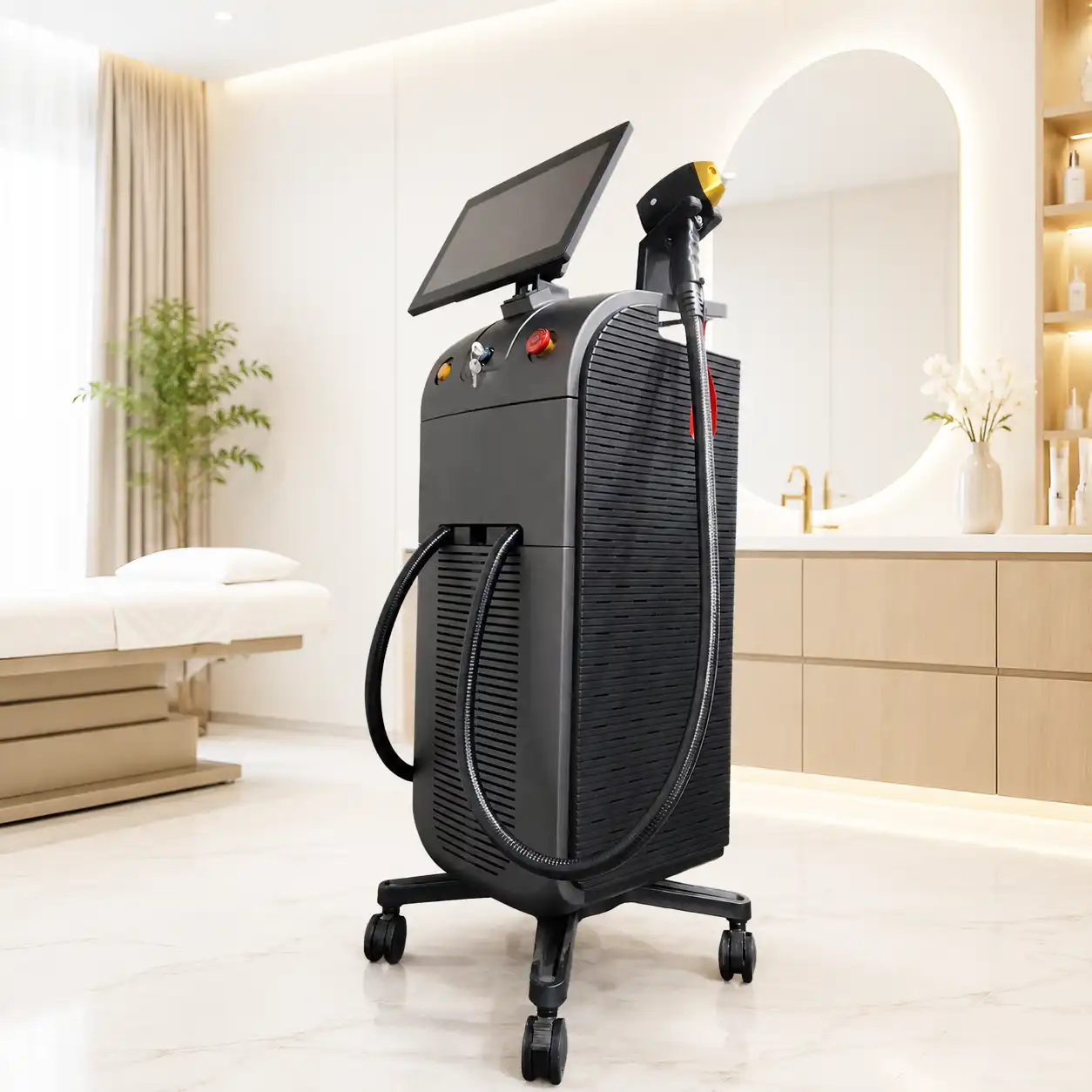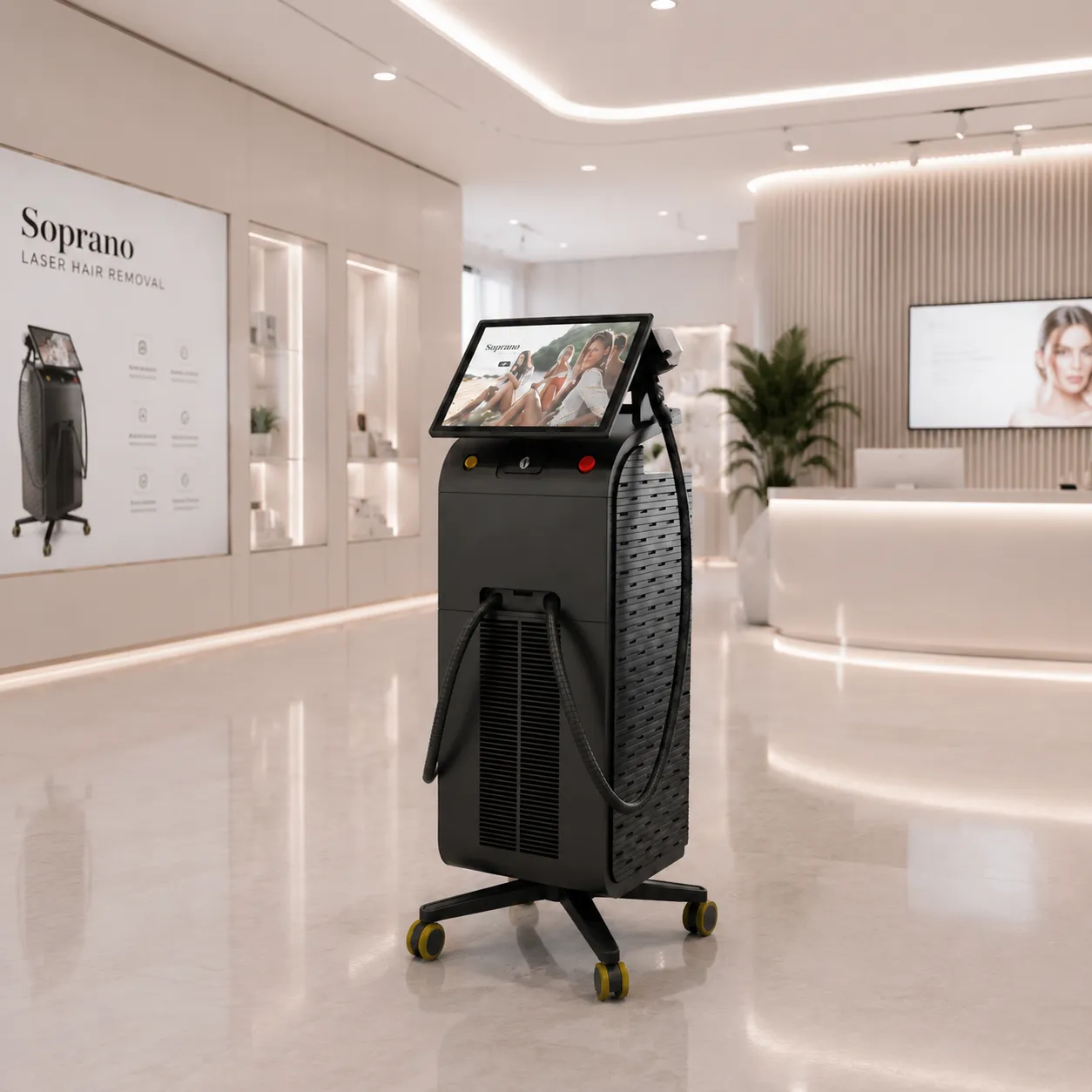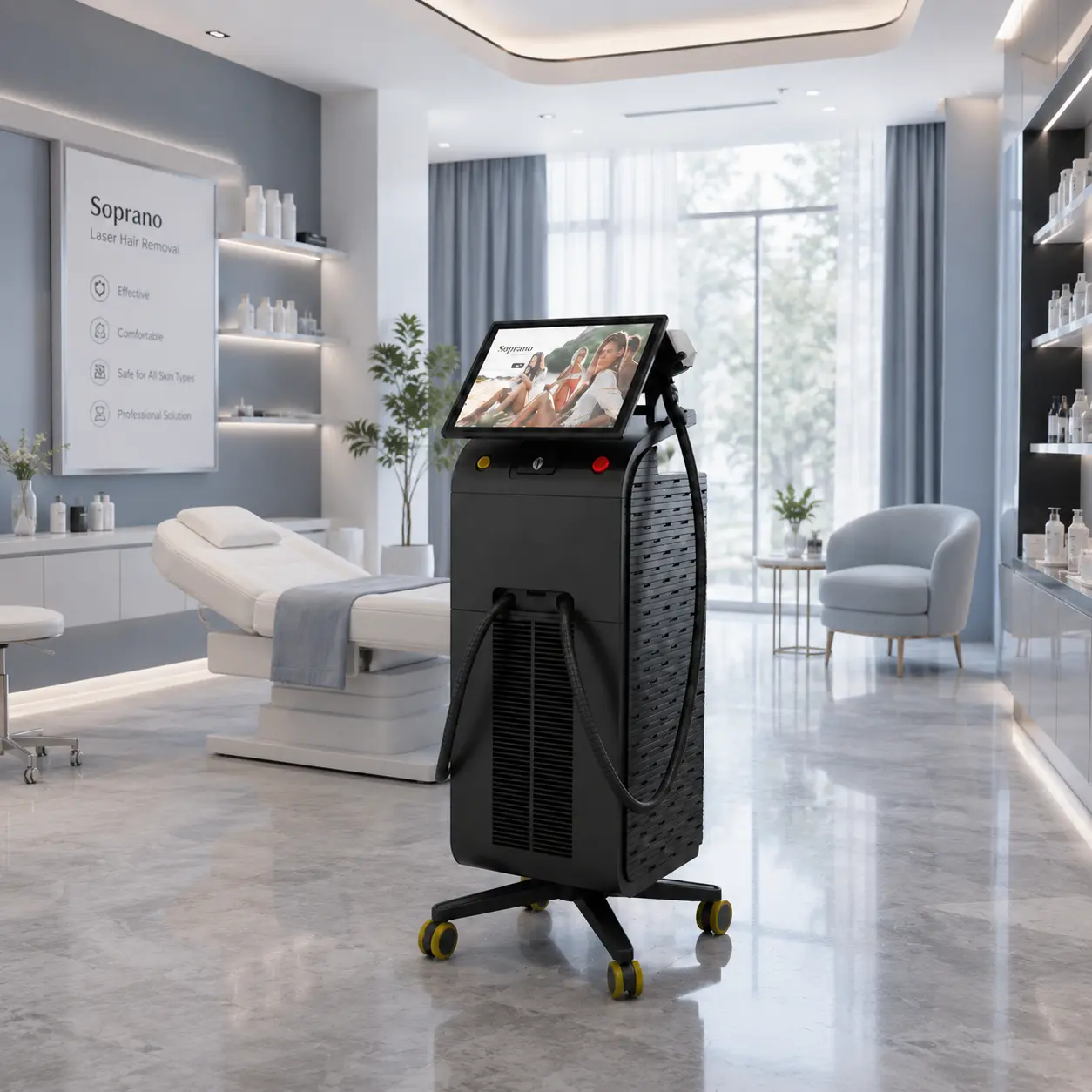
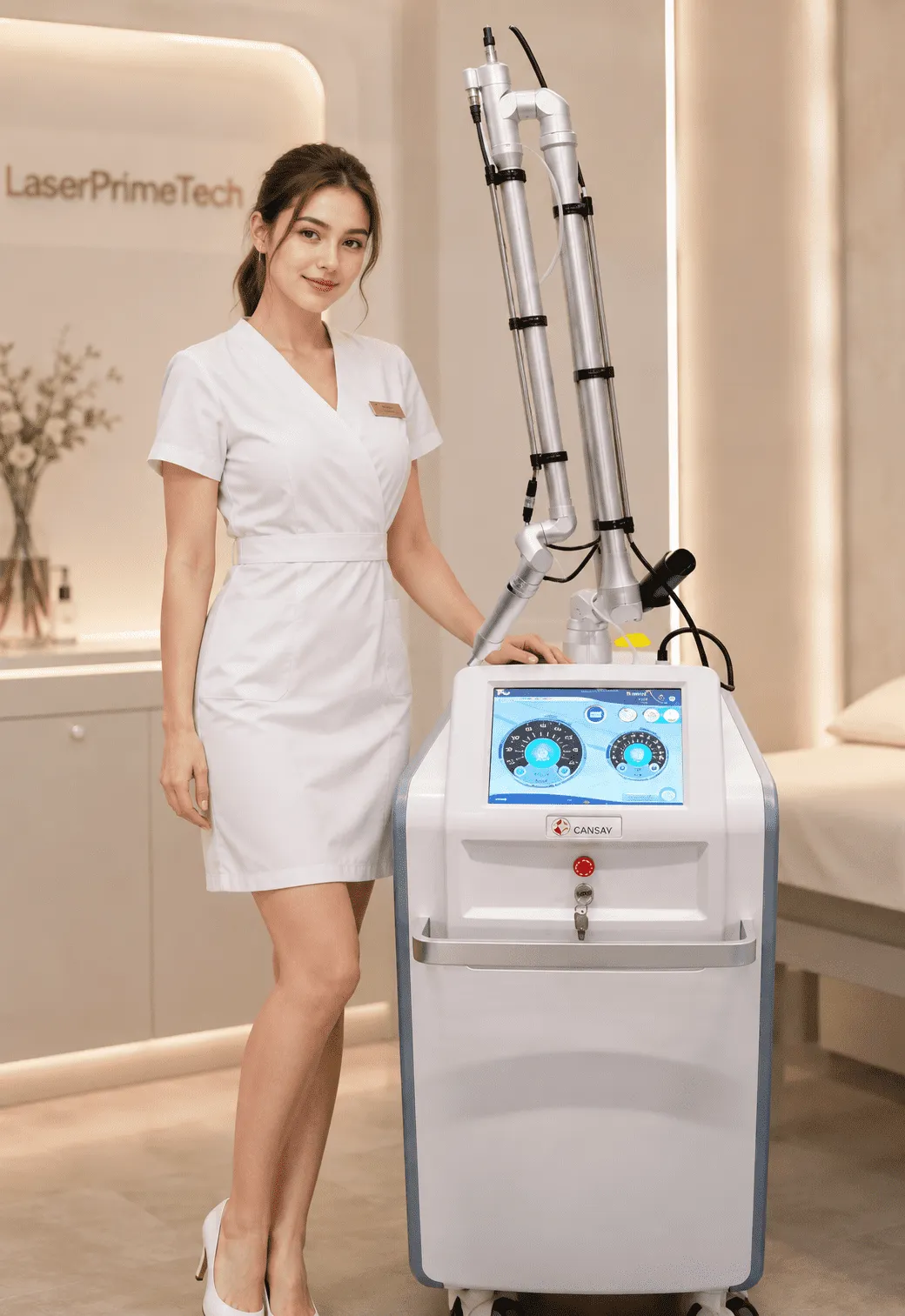
For tattoo studios, medical aesthetic clinics, or beauty salons looking to offer professional tattoo removal services, selecting the right laser machine is paramount. Laser technologies vary in type, wavelength, pulse duration, and output energy—specifications tailored to match specific tattoo pigments and achieve desired treatment outcomes.
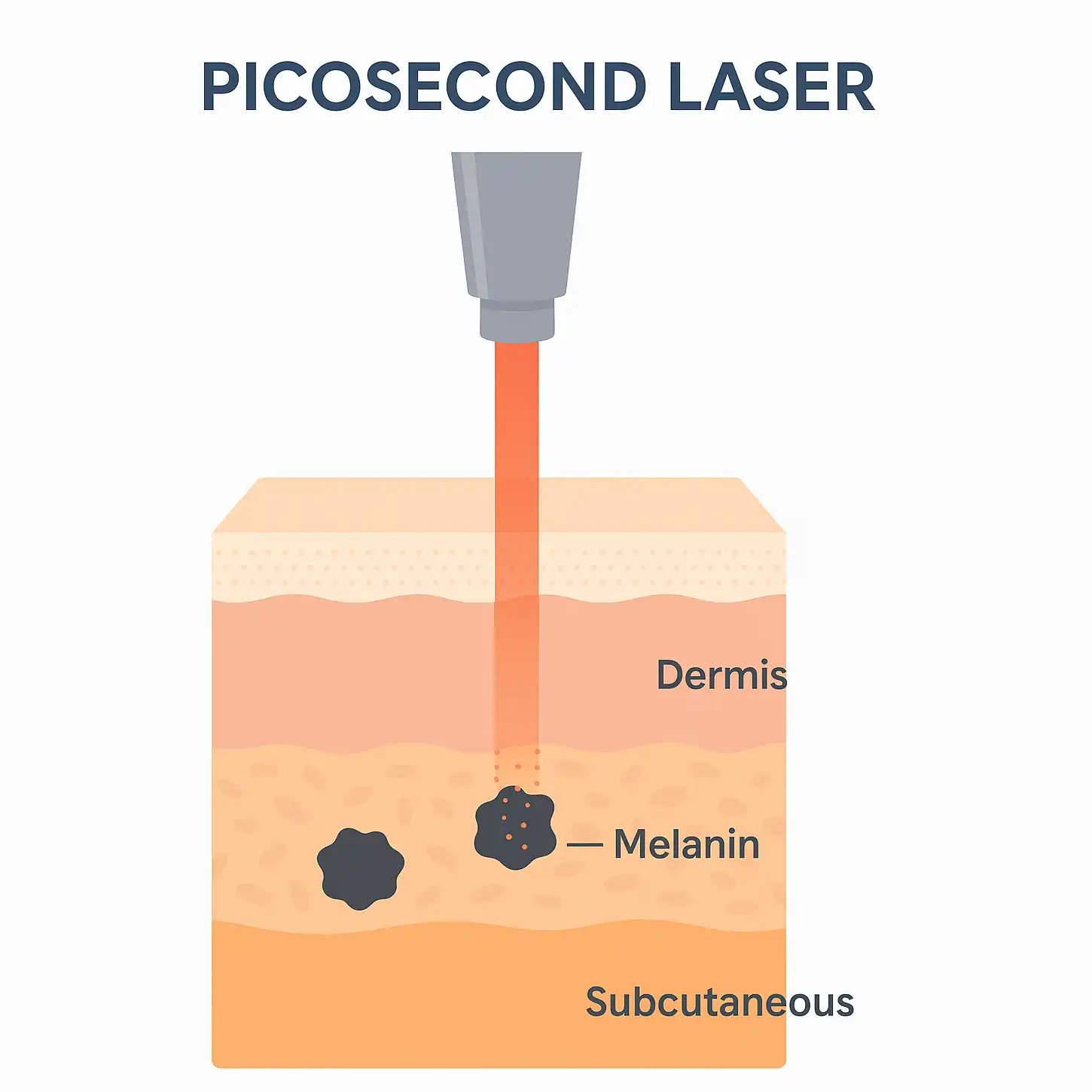
The core principle of laser tattoo removal is straightforward: a controlled laser precisely targets tattoo pigments, shattering ink particles into fine dust that the body’s lymphatic system then gradually eliminates. Given the significant variations in pigment color and the depth at which ink is deposited, matching the treatment to the appropriate laser wavelength and machine model is essential for ensuring consistent results and effective removal.
Currently, the industry is dominated by two main categories of machines: Q-switched Nd:YAG lasers and picosecond (Pico) lasers. While both are capable of removing tattoos, they differ significantly in pulse duration, ink-shattering capability, application scenarios, and acquisition costs.
This guide explains the working principles of laser tattoo removal machines in accessible terms, compares the pros and cons of Q-switched versus picosecond lasers, breaks down the wavelengths suited for different ink colors, outlines the typical number of treatment sessions required, and concludes with key considerations for purchasing equipment.
What Is a Laser Tattoo Removal Machine?
Laser tattoo removal machines are specialized optoelectronic devices designed to fade or eliminate unwanted tattoo pigment from the skin. Unlike traditional removal methods, they utilize controlled laser beams to precisely target tattoo ink, thereby minimizing damage to the surrounding healthy skin.
These professional devices employ specific wavelengths to target different ink colors: the 1064nm wavelength is primarily used for dark-colored tattoos (such as black and dark blue), while the 532nm wavelength is suited for lighter, colorful tattoos (such as red, orange, and yellow). The optimal wavelength is selected based on factors like ink color and the depth of the pigment.
Evaluating the quality of a laser tattoo removal device requires looking beyond mere power output; key specifications include wavelength, pulse duration, energy density, spot size, repetition rate, and the built-in cooling system. Operators can flexibly adjust these parameters based on the tattoo’s size and depth, as well as the client’s skin type.
Currently, the two mainstream models on the market are Q-switched Nd:YAG lasers (nanosecond pulses) and picosecond lasers (ultrashort picosecond pulses). The final choice of model should be determined by the complexity of the tattoos, the clinic’s budget, and daily client volume.
How Does a Laser Tattoo Removal Machine Work?
The principle behind laser tattoo removal machines is straightforward: they emit brief, controlled laser pulses into the skin that target only the tattoo pigment, minimizing damage to surrounding healthy tissue.
When specific laser wavelengths are absorbed by the tattoo ink, they shatter large pigment particles into tiny fragments, which the body’s lymphatic system then gradually eliminates. Due to variations in ink color and the depth at which the ink was deposited, most tattoos require multiple treatment sessions to be completely faded or removed.
The quality of a tattoo removal laser depends on the following key parameters:
1. Laser Wavelength (Most Critical)
Different ink colors require specific laser wavelengths:
1064nm is primarily used for dark tattoos (black, dark blue), while 532nm targets lighter, colorful tattoos (red, orange, yellow). A machine capable of delivering multiple wavelengths is necessary to handle tattoos with complex color schemes.
2. Pulse Duration (Pulse Width)
This refers to the duration of the laser’s energy emission.
Q-switched lasers operate in the nanosecond range, whereas picosecond lasers operate in the even shorter picosecond range. A shorter pulse width delivers greater impact force, shattering pigment into finer particles for faster metabolic clearance and causing less collateral thermal damage to the skin. Of course, pulse width cannot be considered in isolation; parameters must be adjusted based on skin type and tattoo color.
3. Energy Fluence (Energy Density)
Measured in Joules per square centimeter (J/cm²), this represents the intensity of the laser energy delivered to a specific area.
Higher is not always better; energy levels can be increased for darker, denser pigment, but should be lowered for lighter or shallower tattoos. A professional technician will fine-tune settings based on the specific situation, as blindly using maximum power can easily cause burns and scarring.
4. Spot Size
This refers to the diameter of the laser beam emitted by the handpiece.
A large spot size allows for rapid treatment of large tattoos, saving time and effort, while a small spot size enables precise treatment of fine lines, corners, and small designs. Professional equipment supports continuously adjustable spot sizes to accommodate different treatment areas.
5. Cooling System
It serves two purposes: first, to alleviate the stinging sensation during treatment and enhance the patient experience; second, to dissipate excess heat from the skin surface, thereby preventing burns and blistering. Common methods include water cooling, air cooling, and contact cooling; generally, machines with superior heat dissipation offer higher safety.
Summary of the Complete Laser Tattoo Removal Process
Targeted laser irradiation → Tattoo pigment absorbs energy and fragments → Body metabolizes, breaks down, and eliminates the fragments
The final outcome is influenced by multiple factors, including the age of the tattoo, pigment quality, color complexity, individual skin type, machine technology, and operational parameters.
Finally: When selecting professional laser tattoo removal equipment, do not focus solely on maximum power output. Comprehensive performance features—such as multi-wavelength capabilities, ultra-short pulse duration, precise energy adjustment, adjustable spot size, efficient cooling, and overall system stability—are the key determinants of treatment efficacy and safety.
What Are the Main Types of Laser Tattoo Removal Machines?
Laser Type | Common Wavelengths | Main Application |
Q-Switched Nd:YAG | 1064nm / 532nm | Black, dark and some colored pigments |
Pico Laser | 1064nm / 532nm and other wavelengths | Tattoo removal and pigmentation |
Ruby Laser | 694nm | Certain tattoo colors |
Alexandrite Laser | 755nm | Selected pigments |
Q-Switched vs Pico Laser for Tattoo Removal
Feature | Q-Switched | Pico |
Pulse duration | Nanosecond | Picosecond |
Tattoo removal | Yes | Yes |
Black ink | Excellent application | Excellent application |
Colored ink | Depends on wavelength | Depends on wavelength |
Technology | Mature | Newer |
Equipment cost | Usually lower | Usually higher |
Clinic positioning | Cost-effective | Premium |
How Many Sessions Does Laser Tattoo Removal Take?
Most tattoos cannot be completely removed in a single session; the specific number of treatments required varies significantly from person to person.
A single treatment can only shatter a small portion of the tattoo pigment, and the fragmented pigment relies on the body’s metabolism to be gradually eliminated. Undergoing only one session not only fails to clear deep-seated pigment but also risks thermal damage to the skin, increasing the likelihood of scarring or post-inflammatory hyperpigmentation (darkening of the skin).

What factors determine the number of sessions?
1. Depth of pigment penetration
Tattoo needles penetrate the dermis at varying depths; the deeper the pigment is embedded, the harder it is for the laser to target it precisely. This reduces decomposition efficiency, naturally requiring more sessions.
2. Pigment density
Solid, heavily shaded tattoos with thick pigment deposits are much harder to remove than those with simple outlines or light shading. Dense clusters of pigment require repeated laser blasts to be thoroughly broken down.
3. Tattoo colors
Black and gray monochrome tattoos are the easiest to remove and require fewer sessions. Multi-colored tattoos (red, yellow, green, blue, purple) require switching between different laser wavelengths to target each color individually, significantly increasing the number of treatments.
4. Age of the tattoo
Fresh tattoos feature vibrant pigment but involve delicate, wounded skin that cannot tolerate high-energy settings. Conversely, old, faded tattoos have pigment that has diffused and clumped within the skin, and the body’s metabolic rate may have slowed, necessitating a longer treatment timeline.
5. Professional vs. amateur/DIY tattoos
Professionally applied tattoos—characterized by consistent pigment quality and uniform needle depth—are relatively easier to remove. Amateur or DIY tattoos often involve irregular pigments and chaotic subcutaneous distribution, making removal unpredictable and usually requiring more sessions. ### 6. Individual Skin Type and Tone
For individuals with darker skin tones, doctors may lower the laser energy to prevent post-procedure hyperpigmentation (darkening) or hypopigmentation (loss of pigment); consequently, the rate at which the pigment is broken down slows. Additionally, individual metabolic rates influence the efficiency with which the fragmented pigment is eliminated from the body.
7. Equipment and Operating Parameters
The performance of the laser tattoo removal equipment plays a crucial role. Key adjustable parameters—such as wavelength configuration, pulse duration, energy density, spot size, and cooling system efficiency—collectively determine the efficiency of tattoo ink fragmentation during each session. Operators adjust these parameters based on the specific characteristics of the tattoo and the patient’s skin, which in turn affects the total number of treatments required.
Is Laser Tattoo Removal Safe?
Laser tattoo removal is generally safe, provided it is performed by a licensed professional using compliant equipment, appropriate settings, and strict adherence to operational protocols. However, as it is a light-based medical aesthetic procedure, temporary skin reactions are inevitable—just as with any laser treatment—and there is a very small risk of side effects.
Legitimate laser tattoo removal machines are designed to target the tattoo pigment precisely while avoiding surrounding healthy skin as much as possible. Technicians select the appropriate wavelength, pulse width, energy level, and spot size based on the tattoo’s color and depth as well as the client’s skin type, thereby minimizing the risk of damage at the source.
I. Common, normal short-term reactions
The following skin reactions after the procedure are temporary and will resolve on their own:
– Skin redness and mild swelling
– Tenderness to the touch and a burning sensation at the treatment site
– Temporary darkening or lightening of the skin tone
– In rare cases, small blisters may form, followed by scabbing and peeling
The severity of these reactions depends on the complexity of the tattoo, laser settings, individual skin type, and the body’s tolerance.
II. Key factors determining safety
1. Matching laser wavelength
Different pigment colors require specific wavelengths; using the wrong wavelength not only fails to remove the tattoo but can also cause direct skin burns, leading to irreversible pigmentation changes or scarring.
2. Control of treatment parameters
Energy, pulse width, pulse frequency, and spot size must be adjusted according to specific needs. Higher energy does not necessarily yield better results; blindly increasing energy levels significantly raises the risk of burning the dermis.
3. Individual skin type and tone
Darker skin requires lower energy settings for protection; otherwise, there is a high risk of hypopigmentation (white spots) or hyperpigmentation (darkening). Sensitive skin also typically requires a longer recovery period.
4. Built-in cooling system
Effective water or air cooling systems dissipate heat from the skin in real-time, which not only alleviates pain but also significantly reduces the likelihood of burns and blistering. 5. **The Practitioner’s Professional Expertise**
A comprehensive pre-treatment assessment of the tattoo and skin condition, the proper use of eye protection, and the gradual adjustment of parameters are all crucial steps in minimizing risk.
III. How Clinics/Studios Can Enhance Tattoo Removal Safety
1. Operate strictly according to the manufacturer’s manual and comply with local regulations governing medical aesthetics and laser equipment;
2. Ensure both the technician and the client wear specialized laser safety goggles throughout the procedure, and carefully examine the skin condition before every session;
3. Procure reliable, professional-grade laser tattoo removal equipment, prioritizing models that offer stable energy output, multi-wavelength capabilities, effective cooling systems, and reliable after-sales technical support.
A final reminder: Laser tattoo removal cannot be entirely risk-free, and final results vary significantly from person to person. Always consult a qualified professional for an initial assessment and a customized treatment plan.
How to Choose the Best Laser Tattoo Removal Machine for Your Business
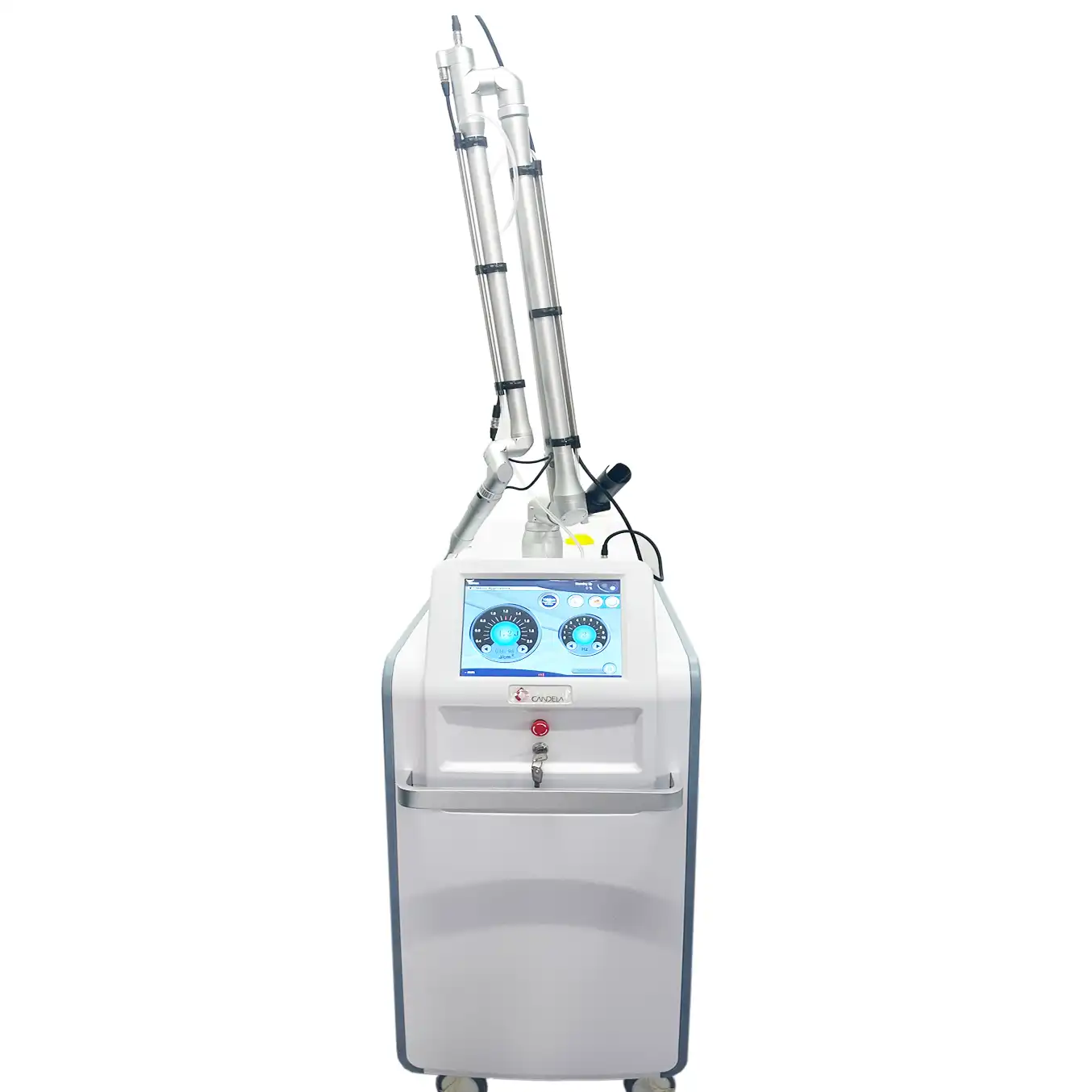
When purchasing a laser tattoo removal machine, do not focus solely on price. Whether you are a beauty salon, a tattoo studio, or a medical aesthetics clinic, you should evaluate factors such as laser type, wavelength, adjustable parameters, cooling systems, and overall machine quality.
The machine must align with your target clientele, the types of tattoos you frequently remove, your daily customer volume, and your budget.
1. Choose the Right Laser Type
There are two mainstream types on the market; choose the one that fits your needs:
Q-Switched Nd:YAG Laser: The industry standard with mature technology. It features the two most common wavelengths—1064nm and 532nm—capable of handling the vast majority of tattoos. It offers excellent value for money and is sufficient for most establishments.
Picosecond Laser: A high-end option. It delivers faster pulses and shatters pigment into finer particles, resulting in shorter recovery times and fewer treatment sessions for clients. It is ideal for professional medical aesthetic clinics offering premium services.
There is no need to blindly chase the newest models; simply choose based on your service positioning and budget.
2. Select the Appropriate Wavelength
Wavelength is a critical factor, as it directly determines which tattoo colors can be removed:
– 1064nm: Targets dark tattoos (black, dark blue); offers the widest range of application.
– 532nm: Specifically targets colored tattoos (red, orange, yellow, etc.).
If you frequently handle colored tattoos, a dual-wavelength machine is essential.
3. Check Adjustable Operating Parameters
Pulse duration and energy levels directly impact removal results and the risk of skin burns. Pay close attention to whether the following can be freely adjusted:
Pulse duration, energy level, pulse repetition rate (frequency), and spot size.
Professional-grade machines should offer a wide range of settings, allowing operators to flexibly adjust parameters based on tattoo color, size, and ink depth for safer treatment.
4. Prioritize the Cooling System
The cooling system determines the level of pain experienced by the client and the risk of blistering or scarring.
Common cooling methods include: air cooling, water cooling, semiconductor cooling, and contact cooling (probe cooling).
Beyond the cooling method itself, you should test the machine during prolonged, continuous operation to ensure the cooling system remains effective and does not shut down due to overheating; stability is crucial.
5. Check the Handpiece and Spot Size
The handpiece is the component you handle daily, directly impacting operational efficiency:
Consider whether it is lightweight and ergonomic (comfortable to hold without causing fatigue), whether the laser beam is stable, how easy it is to operate, and the availability of replacement parts.
A variable spot size is also highly practical: a large spot allows for the rapid removal of large designs, while a small spot enables precise touch-ups on fine lines.
6. Match Equipment to Your Business Type
Small, Start-up Beauty Salons
Prioritize affordability, ease of use, and a comprehensive range of basic dual-wavelength capabilities.
Tattoo Studios
Prioritize effective ink removal, flexible parameter adjustment, ergonomic handpiece comfort, machine durability, and operational efficiency during continuous treatment sessions.
Large, Professional Medical Aesthetic Clinics
Can opt directly for high-end picosecond equipment; requirements include full-wavelength coverage, precise parameter control, powerful cooling systems, overall machine stability, and comprehensive technical training and after-sales support.
Summary
The best tattoo removal laser is not necessarily the most expensive or the one with the highest power output.
The truly ideal machine is one that offers sufficient technical capability, covers the wavelengths required for your services, boasts a low failure rate, ensures hassle-free after-sales support, minimizes long-term operating costs, and perfectly aligns with your salon’s actual service demands.
FAQ
Which wavelength is most effective for removing black tattoos?
The 1064nm wavelength is the optimal choice for removing black, dark gray, and dark blue tattoos. This wavelength penetrates deep into the dermis to shatter pigment particles while minimizing absorption by the skin’s natural melanin; it carries a low risk of burns, scarring, or pigment loss, is suitable for all skin types, and offers a high level of safety.
Can laser tattoo removal equipment remove colored tattoos?
Yes, but different tattoo colors require specific wavelengths: 1064nm is suitable for black, dark blue, and dark gray; 532nm works on warm colors such as red, orange, yellow, and pink; and the 755nm (alexandrite) wavelength targets “stubborn” cool colors like green, blue, and purple. Multi-wavelength devices can treat the full spectrum of tattoo colors, whereas single-wavelength devices are limited to basic colors.
How many treatment sessions are required to remove a tattoo?
The number of sessions varies by individual and depends on factors such as tattoo size, age, ink density, color, location, and the body’s metabolic rate. Small, basic black-and-gray tattoos typically require 3–6 sessions; standard single-color tattoos need 5–8 sessions; large, highly saturated, or complex multi-colored tattoos require 8–15 sessions; and some stubborn pigments may require up to 20 sessions. Treatments are spaced 6–8 weeks apart to allow the body sufficient time to metabolize and clear away the fragmented ink.
Is laser tattoo removal painful?
The treatment causes mild discomfort—similar to the sensation of a rubber band snapping against the skin—with more pronounced pain in sensitive areas. Professional equipment features air, water, and semiconductor cooling systems to rapidly dissipate heat and soothe pain, significantly reducing the risk of redness, swelling, and blistering; the application of topical anesthetic cream can further enhance comfort.