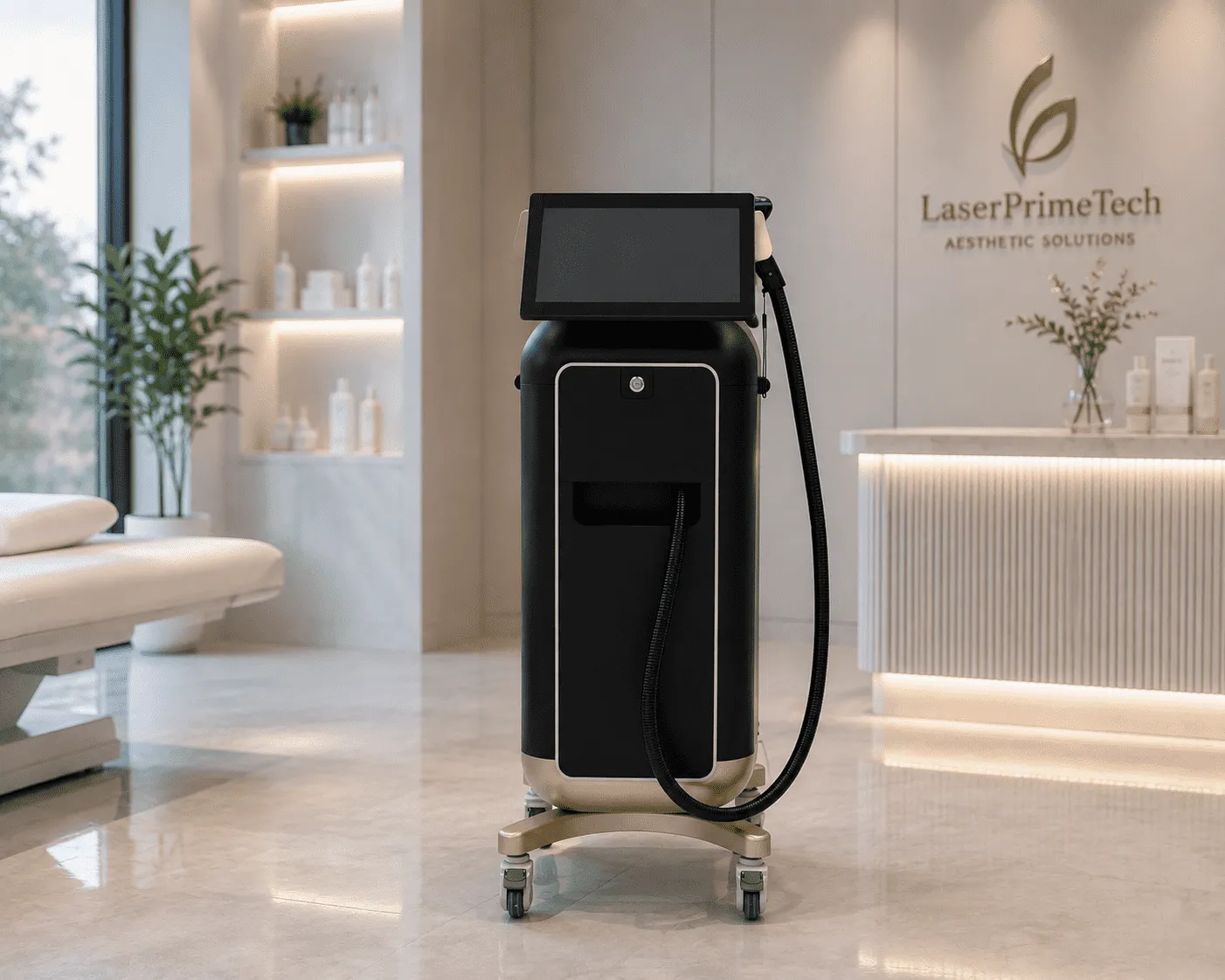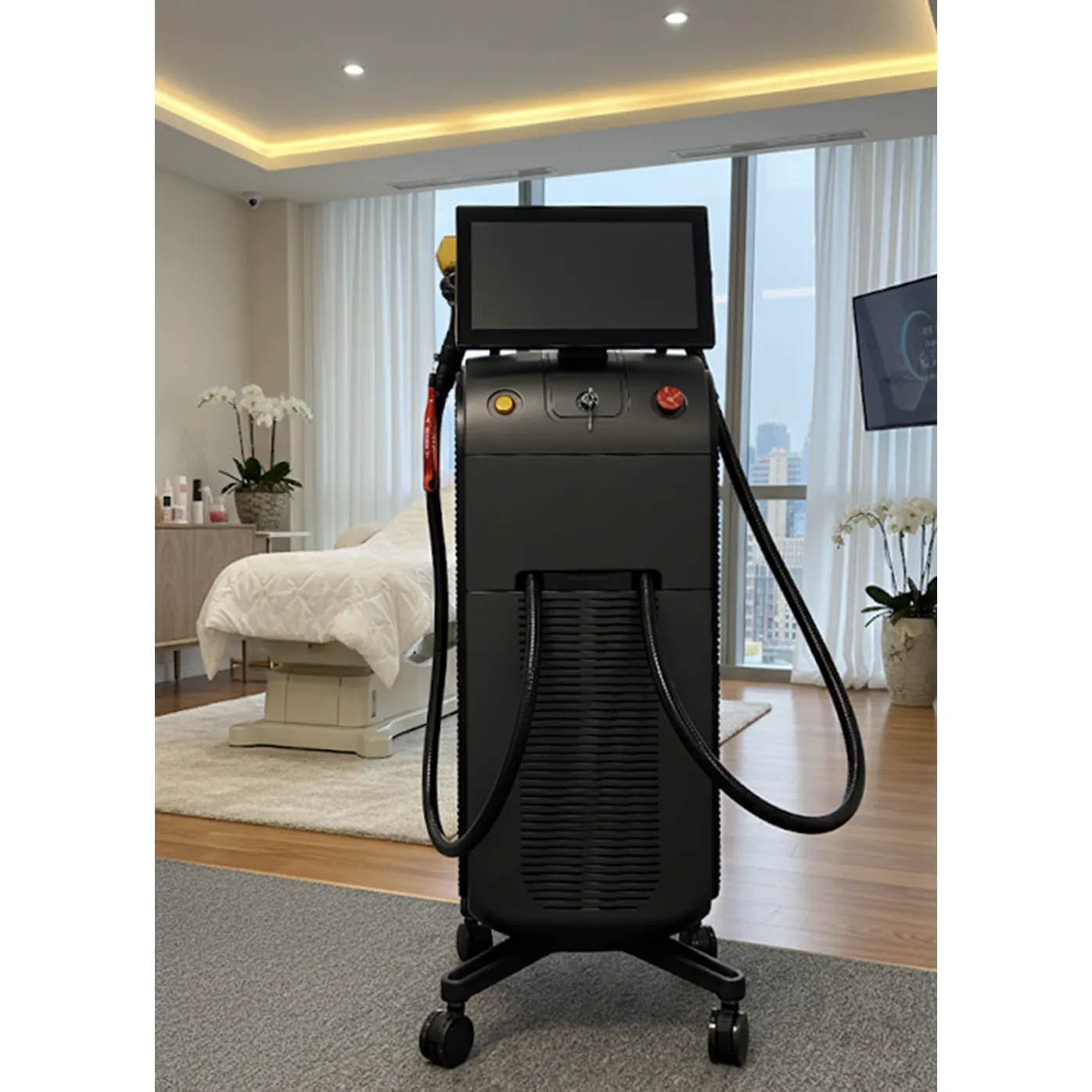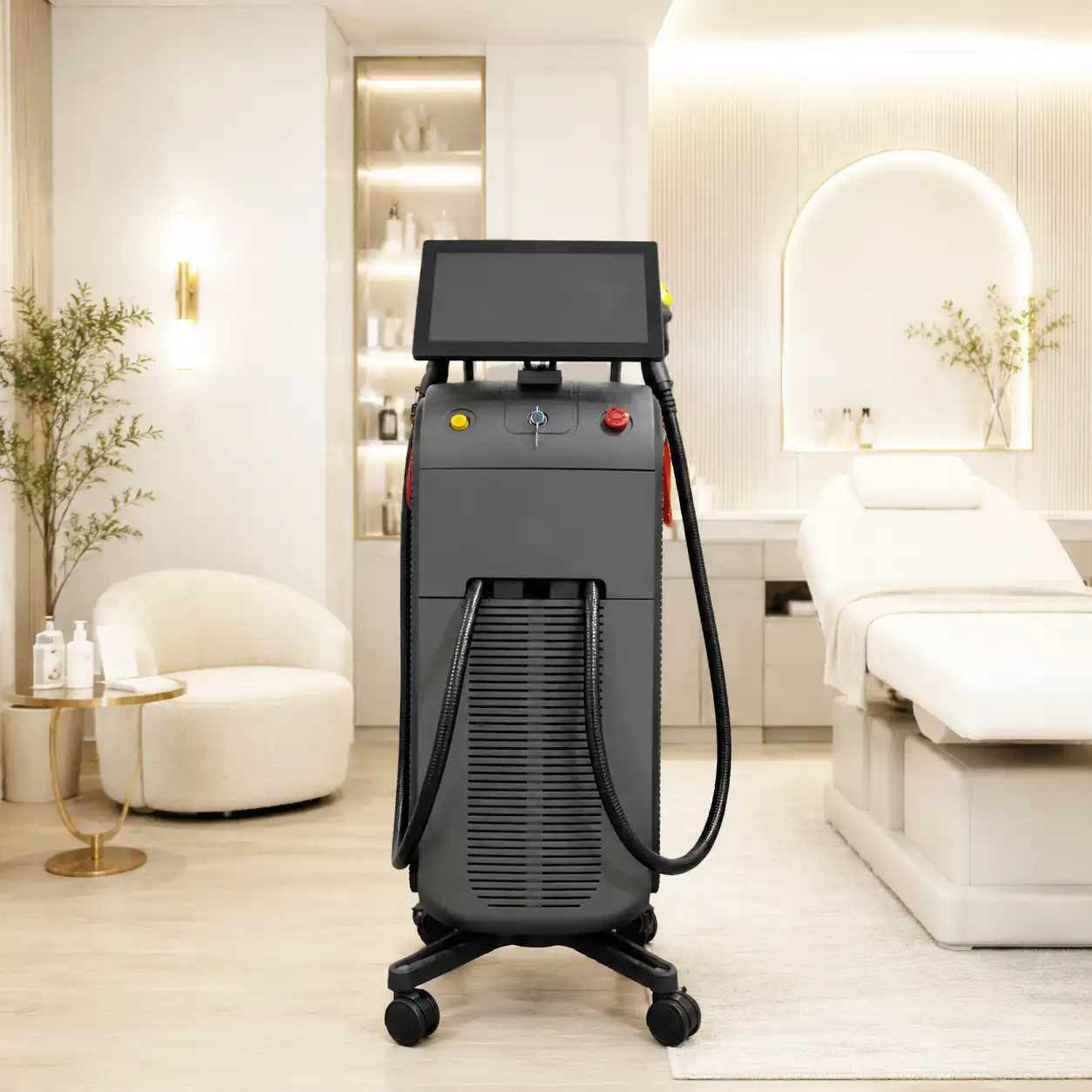
With proper routine maintenance, commercial semiconductor laser hair removal devices can provide stable, continuous operation for several years. The actual service life of the equipment depends primarily on the laser bar, daily usage frequency, the cooling system, routine maintenance, and the replacement of core components.
How Long Does a Diode Laser Hair Removal Machine Last?
The service life of a diode laser hair removal machine depends on its laser bar, cooling system, handpiece, and usage conditions.
Component | Typical Service Consideration |
Diode laser bar | Depends on pulse count, power and operating conditions |
Handpiece | Depends on usage and treatment volume |
Cooling system | Requires regular maintenance |
Sapphire window | Can be replaced if damaged |
Water pump | Wear component |
Electronic components | Depend on operating environment |
What Determines the Lifespan of a Diode Laser Machine?
Laser Bar Quality
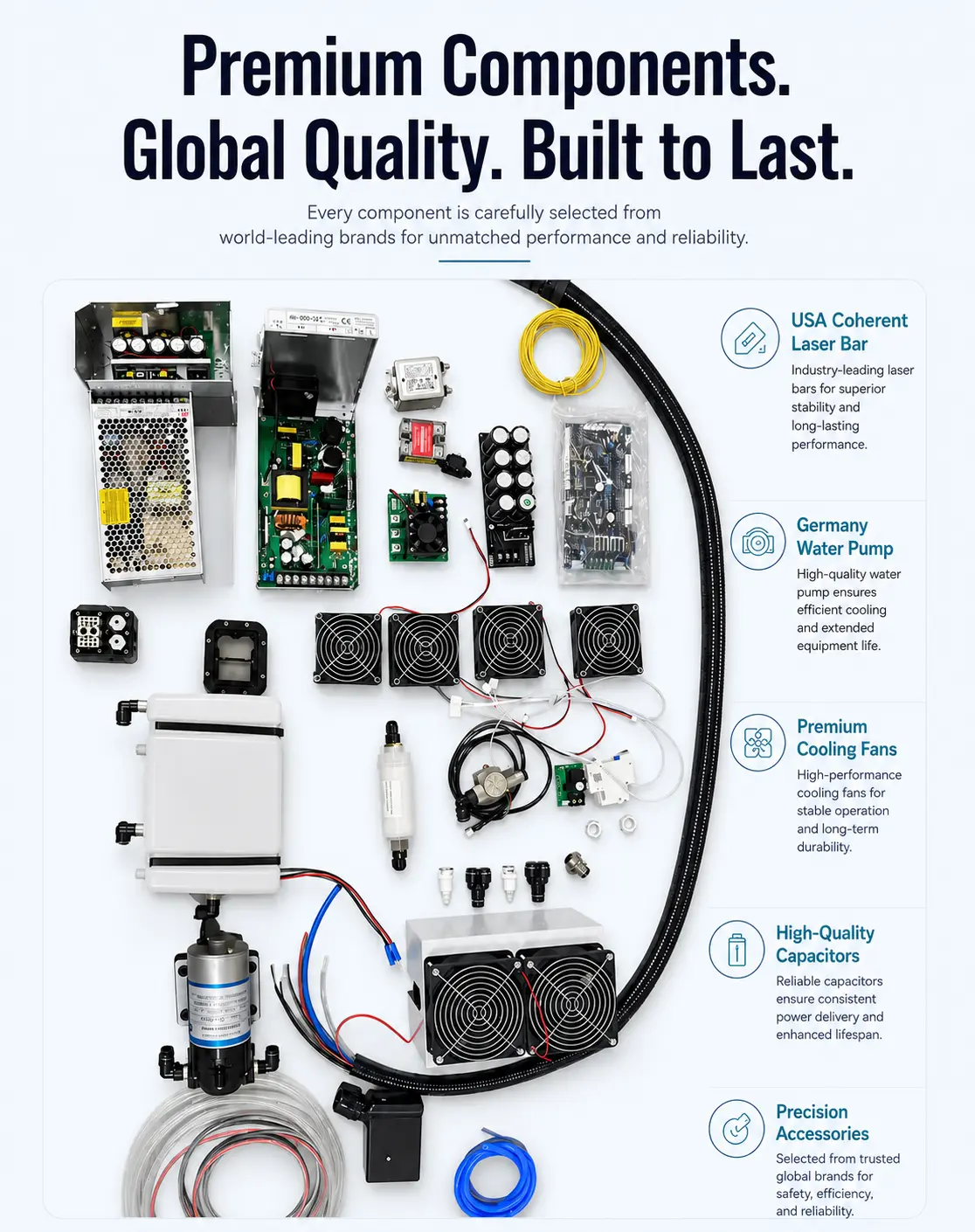
The laser bar is the most critical component of commercial diode hair removal machines, directly influencing treatment efficacy, operational stability, and the overall lifespan of the device.
Laser bars from different manufacturers vary significantly in terms of manufacturing processes, raw materials, and structural quality; these differences result in varying failure rates and levels of stability during long-term operation.
It is important to note that laser bar longevity depends not only on the brand of the light source but also on operational practices. Prolonged high-temperature operation, excessive drive currents, and improper pulse parameter settings can all accelerate laser bar degradation, leading to energy loss, unstable output, or even total failure.
Only by selecting high-quality laser sources and adhering to standardized operating procedures can one ensure stable laser output and effectively extend the service life of the equipment.
Cooling system
The cooling system is crucial for ensuring the stable, long-term operation of commercial diode laser hair removal equipment. Laser emission generates significant heat; if this heat is not dissipated promptly, the device can overheat rapidly, damaging the laser source and handpiece, causing energy fluctuations and malfunctions, and even posing safety risks. Efficient cooling stabilizes the operating temperature, protects core components, and ensures consistent treatment results during continuous operation.
Mainstream cooling solutions for diode hair removal devices on the market fall into four categories, each with its own advantages:
– Air cooling: Uses fans for heat dissipation; features a simple structure and easy daily maintenance.
– Water cooling: Uses circulating water for heat conduction; offers uniform heat dissipation and quiet operation.
– TEC (Thermoelectric Cooler) cooling: Provides precise temperature control and rapid cooling response.
– Sapphire contact cooling: Utilizes a highly thermally conductive sapphire tip to lower skin surface temperature, enhance client comfort, and protect the handpiece.
Our commercial diode laser hair removal device features an integrated hybrid cooling system combining water cooling, air cooling, sapphire contact cooling, and TEC technology. By leveraging the strengths of these methods, the system creates a circulating heat dissipation loop that simultaneously cools both the device’s core components and the treatment contact surface.
This multi-dimensional cooling approach effectively addresses the challenge of heat accumulation in high-frequency commercial usage scenarios. It maintains the device within a safe, stable operating range, preventing component aging and energy degradation caused by high temperatures, thereby significantly enhancing the machine’s overall stability and durability.
Treatment Volume and Frequency
For commercial diode laser hair removal devices, daily treatment volume and usage frequency are critical factors influencing equipment wear and service life, as operational loads vary significantly across different commercial settings. Generally, small-to-medium-sized beauty salons with lower customer traffic typically perform 3–5 treatments per day; with reduced operating time and fewer laser pulses, component wear is minimized, resulting in a longer stable service life for the machine.
In contrast, large beauty centers, chain salons, and high-traffic commercial venues often serve 20–30 clients daily, subjecting the equipment to extremely high operational intensity. Higher treatment volumes entail longer operating times and a greater number of laser pulses, which accelerate wear on core components such as the laser bar, cooling system, and circuitry. Prolonged high-load operation hastens component aging, leading to unstable energy output and an increased risk of equipment failure. Therefore, for devices intended for high-frequency, high-volume commercial use, incorporating high-performance hardware—such as premium laser sources and advanced composite cooling systems—is essential to extend service life, mitigate component wear caused by heavy usage, and ensure stable, reliable commercial performance.
Operating Parameters
The operating parameters of commercial semiconductor laser hair removal equipment directly affect treatment safety, efficacy, and the machine’s service life. Key parameters include energy density, pulse width, frequency, spot size, and repetition rate. These parameters are interrelated and operate within scientifically established ranges.
– Energy Density: Determines the laser’s penetration depth and hair removal efficacy. Excessively high energy settings—especially when improperly configured—can cause skin burns and place excessive strain on the laser unit and circuitry.
– Pulse Width: Controls the duration of laser exposure on the skin and hair follicles. Improper settings reduce treatment efficiency and increase heat generation within the device.
– Frequency/Repetition Rate: Controls the rate of laser emission. Prolonged operation at high frequencies beyond rated limits accelerates component wear.
– Spot Size: Represents the coverage area of a single treatment pulse. An imbalance between spot size and energy parameters leads to poor hair removal results and inefficient energy usage.
Proper parameter configuration is essential for balancing treatment efficacy with equipment protection. Operating the device with improper parameters for extended periods is prohibited.
Overloading or improper operation not only compromises laser output stability and treatment effectiveness but also causes permanent degradation or damage to core components—such as laser bars and cooling systems—thereby significantly shortening the machine’s lifespan. Strict adherence to standard operating parameters is required to ensure the equipment functions reliably, safely, and efficiently in a commercial setting.
How Long Does a Diode Laser Bar Last?
When beauty salons inquire about equipment lifespan, they are often more concerned with a practical metric than the theoretical service life in years: specifically, how many laser pulses the laser bar can deliver before its performance degrades and replacement becomes necessary.
Measuring lifespan by the total number of pulses is the industry-recognized standard that better reflects real-world operating conditions; it is far more accurate than estimates based solely on years of use.
To objectively assess the lifespan of a laser bar, one must look beyond the number of years in service and consider three core dimensions: total pulse count, actual operating duration, and the manufacturer’s official specifications.
– Manufacturer-rated pulse count: The theoretical upper limit of the laser bar’s lifespan.
– Cumulative operating duration: The actual workload of the equipment.
– Real-time pulse count: The most direct indicator of wear and tear on core components.
The actual lifespan of a laser bar is heavily influenced by usage scenarios and operating intensity; durability can vary significantly even among identical models.
Small beauty salons serving 3–5 clients daily operate intermittently at low frequency, allowing the cooling system ample time to dissipate heat; this slows component aging and extends the laser bar’s lifespan.
In contrast, high-traffic facilities subject equipment to continuous, heavy workloads; heat accumulation accelerates laser bar degradation, significantly shortening the actual service life.
When purchasing equipment, note that lifespan data for laser bars from different manufacturers or models cannot be directly compared.
Differences in chip materials and manufacturing structures across brands—along with variations in drive current, pulse frequency, and cooling configurations—all affect the rate of laser bar degradation. Some manufacturers may claim high theoretical pulse counts, but if the cooling and drive systems are inadequate, the equipment will still experience rapid energy degradation during use.
Only by comprehensively evaluating both official specifications and the actual operating environment can one accurately determine the true service life of a laser bar.
Does the Number of Treatments Affect Diode Laser Lifespan?
Daily and monthly treatment volumes directly impact the overall lifespan of the hair removal device and the rate of wear on its core components. The actual lifespan of the laser bar depends largely on the intensity of the device’s usage.
A higher number of treatments results in a greater total number of laser pulses and longer periods of operational load, leading to the natural aging and wear of components such as the laser bar, cooling system, and drive module.
We categorize commercial usage scenarios into three types:
Low-Volume Clinics
Small beauty salons serving 5–10 clients daily. The device operates for short periods with sufficient downtime between treatments for heat dissipation, avoiding continuous high-load operation.
Laser pulse output is low, and component aging is slow. With proper maintenance and appropriate parameter settings, the device maintains stable performance with minimal energy degradation.
Medium-Volume Clinics
Serving 10–20 clients daily; this is the most common commercial scenario and represents the standard operating conditions for which the device is designed.
Daily operating hours and cumulative pulse counts fall within a reasonable range; components experience normal, steady wear without excessive heat buildup or overloading. With regular maintenance and correct operation, the device can achieve its rated lifespan and deliver consistent long-term results.
High-Volume Clinics
Medical aesthetic chains and large institutions serving over 20 clients daily. The device operates continuously for long periods, pulse counts rise rapidly, and the laser and cooling systems remain under constant strain.
Prolonged high-frequency, high-load operation accelerates the aging of core components. Inadequate cooling or improper operational management can lead to heat accumulation and energy output decline, thereby shortening the device’s lifespan.
Summary: Estimating device lifespan requires considering daily treatment volume alongside hardware specifications. High, medium, and low client volumes result in varying operational loads and significantly different rates of component wear. Combining high-quality hardware with a sensible usage plan is essential to effectively extending the machine’s lifespan.
How Does Maintenance Affect Diode Laser Lifespan?
Regularly Clean the Sapphire Tip
The sapphire cooling tip is the component that makes direct contact with the treatment area; it is critical for cooling performance, energy delivery, and treatment safety.
During daily use, the surface can easily accumulate cooling gel, sebum, and hair debris. A buildup of residue creates a barrier that impairs laser penetration and cooling efficiency, leading to uneven energy distribution, reduced treatment efficacy, and even equipment overheating.
Cleaning the sapphire tip after every use is recommended to stabilize laser output, ensure treatment effectiveness, and extend the lifespan of the handpiece and laser source.
Maintain the Cooling System
The cooling system ensures the equipment operates stably over the long term; regular maintenance prevents overheating, which can cause component aging and laser degradation.
Key maintenance points:
Change the cooling water monthly to prevent blockages caused by limescale or bacterial growth in the water lines.
Air Filter
Replace the filter regularly to ensure unobstructed airflow and prevent overheating malfunctions or energy degradation.
Maintain a Suitable Operating Environment
The operating environment directly affects equipment stability, heat dissipation efficiency, and service life.
Keep the device away from high-temperature areas to reduce the load on the cooling system; avoid humid environments to prevent internal moisture damage or short circuits. Ensure the area is well-ventilated, do not block heat dissipation vents, and avoid exposing the unit to direct sunlight. A proper environment allows the cooling system to perform optimally, ensuring stable, long-term equipment operation.
What Are the Signs That a Diode Laser Machine Needs Maintenance?
You can list the following:
1. Cooling temperature becomes unstable
2. Handpiece becomes unusually hot
3. Treatment performance becomes inconsistent
4. Error messages appear frequently
5. Water circulation becomes abnormal
6. Unusual noise from the cooling system
7. Sapphire tip becomes damaged or cloudy
A note of caution here:
Do not continue to operate a machine under heavy load if it shows signs of a clear malfunction.
When Should You Replace a Diode Laser Hair Removal Machine?
This section helps purchasing clients make an informed decision.
Consider replacing the machine if any of the following occur:
1. Repair costs become too high
2. Replacement parts are no longer available
3. Frequent downtime affects business operations
4. Treatment performance is no longer stable
5. The machine lacks modern cooling or safety features
6. The cost of maintaining the old machine exceeds the cost of upgrading
Conclusion
The lifespan of a diode laser hair removal machine depends on much more than the initial purchase price. Laser bar quality, cooling performance, treatment volume, operating parameters, and regular maintenance all affect long-term reliability.
If you are comparing diode laser machines for a salon or clinic, consider the total cost of ownership, warranty, spare parts availability, cooling technology, and after-sales technical support.
Contact LaserPrime to learn more about our diode laser hair removal machines, cooling systems, laser source options, warranty, and long-term maintenance support.
Frequently Asked Questions
1.How many years does a diode laser hair removal machine last?
The overall lifespan depends on the laser source, operating intensity, cooling, and maintenance.
2. How long does a diode laser bar last?
It depends on the manufacturer’s specifications, pulse count, and operating conditions.
3.Does frequent use shorten the life of a diode laser?
Yes. Higher operating hours and pulse counts generally increase component wear.
4.How often should a diode laser machine be serviced?
A maintenance plan should be developed based on the manufacturer’s recommendations and actual usage frequency.
5.Is a diode laser machine expensive to maintain?
Maintenance costs typically depend on the cooling system, tools, laser source, and local after-sales service.
6.Can I replace the laser bar?
Some devices can be replaced, but this should be done by a trained professional technician.