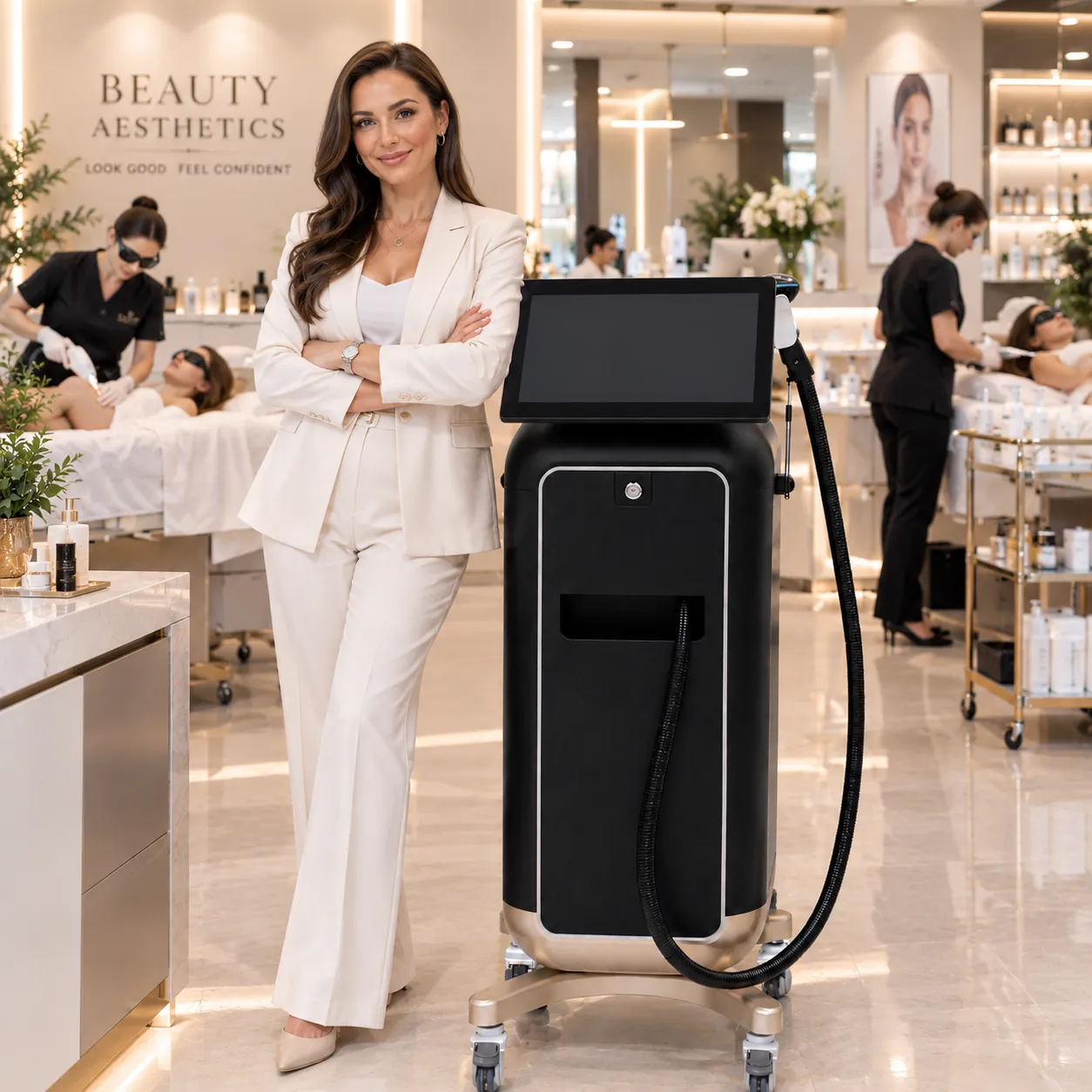
Running a high‑volume laser hair removal clinic means more than filling appointment slots. Poor scheduling causes long client waits, rushed treatments, burnt‑out staff, and lost revenue. A streamlined schedule maximises your treatment rooms, laser devices and team capacity while delivering a smooth client journey.
Whether you are a new salon adding laser hair removal or an established clinic with dozens of weekly bookings, these actionable scheduling strategies will boost your operational efficiency.
1. Define Standard Treatment Durations by Body Area
Laser sessions vary widely based on the treatment zone. Small areas take far less time than large, full‑body services.
Create fixed time allocations for your core services — include consultation, skin prep, laser treatment, room sanitisation and aftercare guidance.
Create fixed time allocations for your core services — include consultation, skin prep, laser treatment, room sanitisation and aftercare guidance.
- Small: Upper lip, underarms
- Short‑medium: Bikini line
- Medium‑long: Full legs, back, chest
- Long: Full‑body treatment
Accurate timings eliminate appointment overlaps and prevent cascading delays throughout the day.
2. Set Pre‑Built Appointment Time Blocks
Avoid manual, one‑off scheduling for every booking. Build standard booking categories for small‑area, medium‑area, large‑area and full‑body sessions inside your booking system.
Front‑desk staff and self‑booking clients can quickly select the correct service type. This helps you calculate real daily capacity — ten quick small‑area treatments use much less resource than ten full‑body sessions. Focus on optimising usable capacity instead of chasing raw booking numbers.
3. Add Buffer Time Between Bookings
Back‑to‑back appointments look productive on paper, yet a 10–15‑minute overrun will delay every subsequent client. Schedule short gaps between sessions for:
- Treatment room reset and equipment disinfection
- Client preparation
- Treatment form documentation
- Resolving unexpected delays and client questions
Small built‑in flexibility lets your team serve more clients reliably across a full working day.
4. Cluster Similar Treatments Where Possible
Group comparable services together on your timetable. Schedule multiple quick spot treatments in one block and longer full‑area sessions in another window.
Therapists maintain a steady workflow with repeated prep and treatment routines. For multi‑room clinics, grouping balances team workload fairly. Always keep flexibility to match client and practitioner availability.
5. Maximize Diode Laser Equipment Uptime
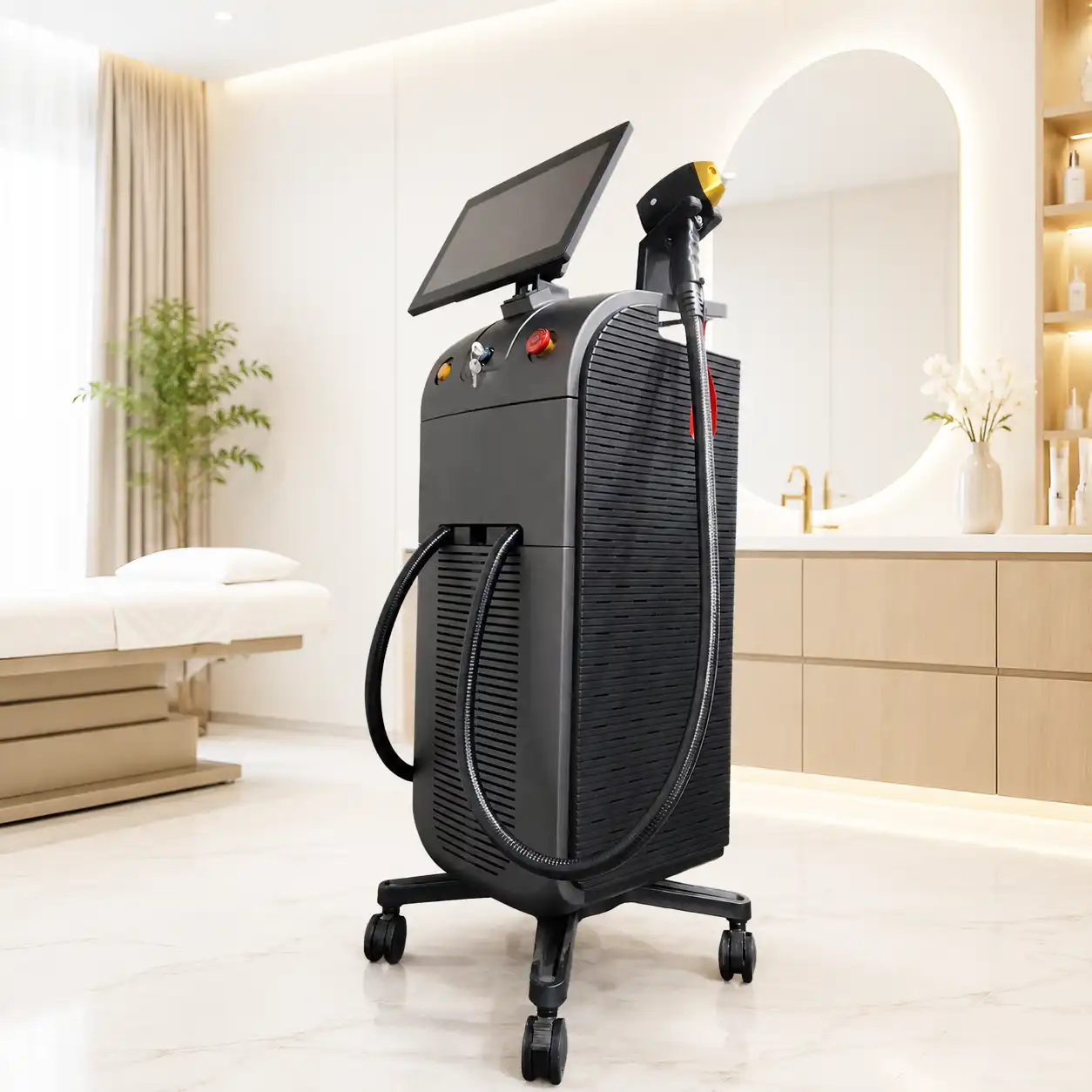
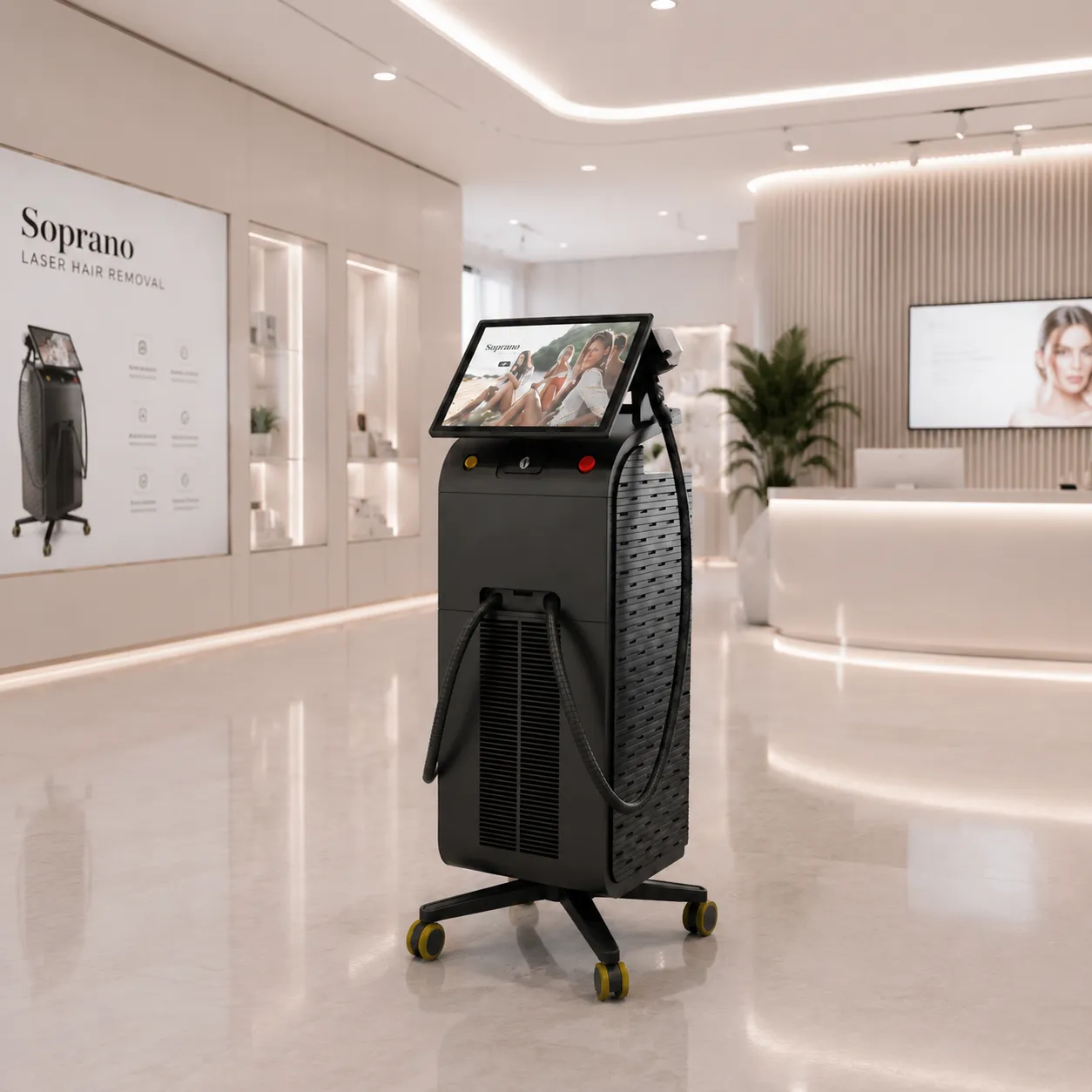
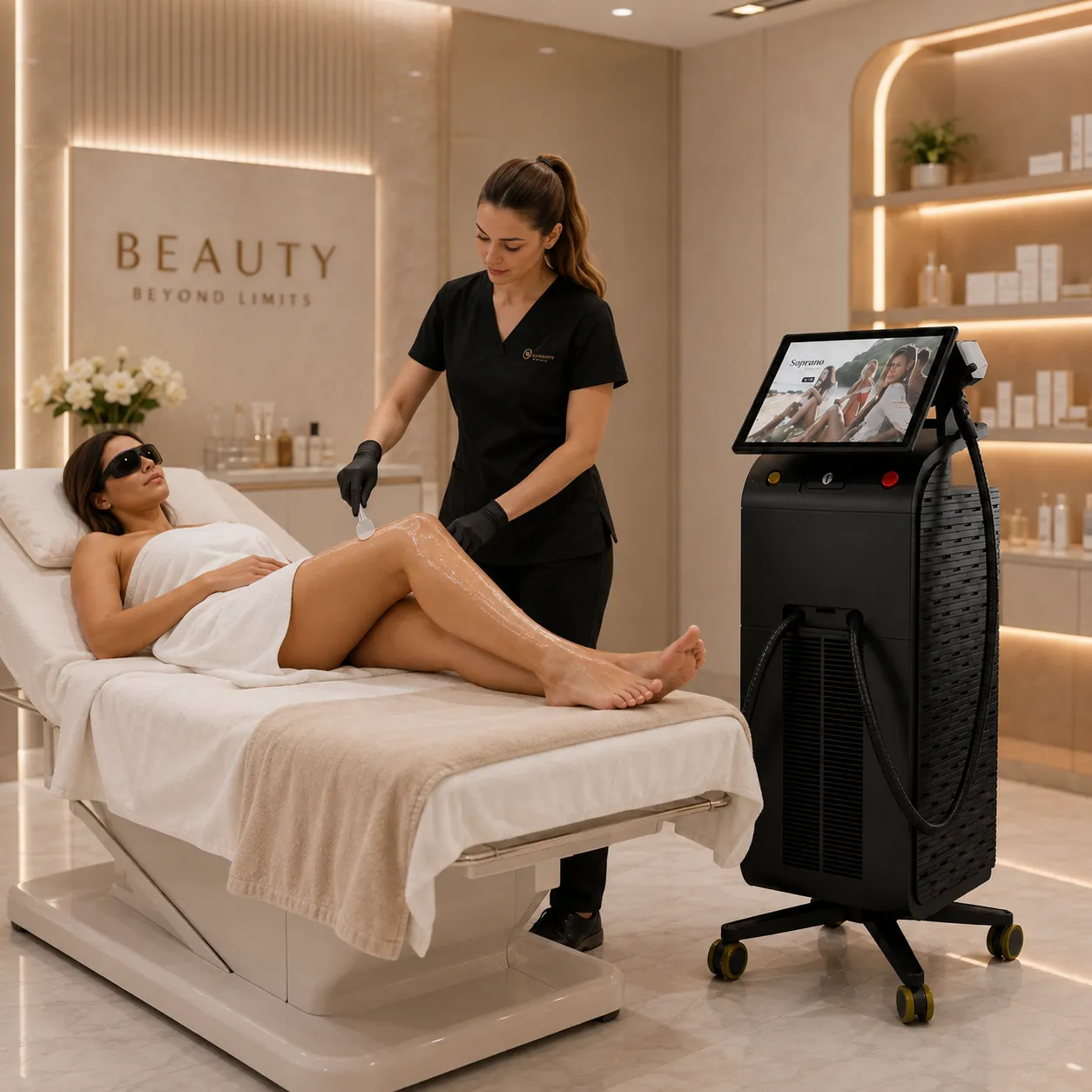
Your professional diode laser hair removal machine is your core revenue asset. Unplanned downtime forces mass client rescheduling during peak periods. Build a strict daily equipment workflow:
- Pre‑opening function checks
- Manufacturer‑approved routine cleaning
- Scheduled professional maintenance
- Regular staff operation training
- Fast fault‑reporting procedures
Minimize avoidable interruptions to keep treatments consistent and on schedule.
6. Send Automated Pre‑Appointment Reminders
No‑shows and last‑minute cancellations create costly empty slots. Use automated reminders via SMS, email or WhatsApp. Send one reminder several days ahead and a second brief alert shortly before the session.
Each reminder should list the date, time, treatment zone, pre‑treatment instructions and cancellation / rescheduling rules. Clients can adjust their booking early, giving you time to re‑fill freed slots.
7. Centralize and Structure Client Records
Efficient scheduling relies on fast access to client history. Store past treatment details, service zones and session logs for repeat laser hair removal customers.
Add optional notes on preferred therapists or time slots (fully compliant with privacy rules). Quick access to organised records cuts admin time and elevates professionalism.
8. Prevent Therapist Overbooking
High demand can tempt clinics to overfill diaries. Over‑scheduling leads to rushed treatments, long waiting times and poor service quality.
Calculate your realistic daily capacity by factoring in:
- Number of therapists
- Available treatment rooms
- Average service length
- Laser equipment availability
- Staff break time
- Cleaning turnaround
- Expected cancellation rates
A realistic, well‑paced schedule delivers better long‑term results than an over‑packed, perpetually delayed diary.
9. Maintain an Active Cancellation Waiting List
Build a waiting list for clients requesting earlier laser hair removal appointments. When a customer cancels last‑minute, contact waiting‑list leads immediately to fill the vacant slot.
Log key details: client name, desired treatment, preferred days and times, and availability for short‑notice bookings. This recovers lost revenue without extra marketing spend.
10. Schedule Planned Staff Breaks
Laser practitioners perform repetitive, focused procedures all day. Fatigue impacts treatment quality and client experience. Never book appointments non‑stop from opening until closing.
Build fixed rest breaks into your daily rota. A well‑rested therapist delivers consistent, high‑quality laser hair removal treatments and better customer care.
11. Analyze Booking Data to Spot Peak Demand
Review your historical booking reports monthly to identify clear business patterns:
- Busiest days and peak hours
- Most popular laser treatment zones
- Client cancellation and no‑show frequency
- Services that regularly run overtime
- Off‑peak quiet windows
Shift your therapist hours to match real demand. If evening slots sell out consistently while weekday mornings stay slow, allocate more staff to high‑traffic evening shifts.
12. Use Laser Treatment Packages to Stabilise Demand
Laser hair removal requires multiple repeat sessions, making pre‑paid treatment packages ideal for scheduling control. Offer structured bundles for underarms, bikini lines, full legs, multi‑area and full‑body courses.
Packages encourage clients to lock in future appointments in advance. You gain predictable long‑term demand and a clear view of returning customer volumes weeks ahead.
13. Track Key Scheduling KPIs Every Month
Monitor simple performance metrics to measure how efficiently your diary operates:
- Appointment utilization rate (percentage of bookable treatment hours filled)
- Client no‑show rate
- Cancellation and reschedule percentage
- Real average treatment duration per service
- Daily clients per therapist / treatment room
- Revenue generated per treatment hour
These KPIs highlight workflow bottlenecks and opportunities for ongoing scheduling improvements.
14. Reserve Partial Capacity for Peak Periods
Avoid fully booking your diary weeks in advance. Leave flexible slots reserved for:
- Existing clients needing rescheduling
- Premium high‑value laser treatments
- Urgent short‑notice bookings
- Package course customers
- Popular weekend and evening time slots
Retaining spare capacity keeps your clinic agile during unexpected demand spikes.
15. Treat Scheduling as Part of Your Client Experience
Smart scheduling is not purely an operational task — it directly shapes customer satisfaction. Clients expect their booked time to be respected. Reliable start times, clear reminders, realistic service durations and fast room preparation create a premium salon experience, just as important as your laser device quality.

Final Conclusion
Managing a busy laser hair removal schedule balances client demand, clinic capacity, staff rosters, laser equipment usage and customer satisfaction.
Start with realistic service timings and standard booking blocks. Reduce empty slots with automated reminders and a waiting list, organize client records, track cancellation trends, and optimise your timetable using real booking analytics.
As your laser hair removal clinic expands, your target is not simply to book more sessions. The true goal is to serve more clients efficiently while preserving consistent treatment standards and a positive salon experience. A well‑managed schedule maximises your team, rooms and laser assets, turning rising customer demand into stable, sustainable salon profit.