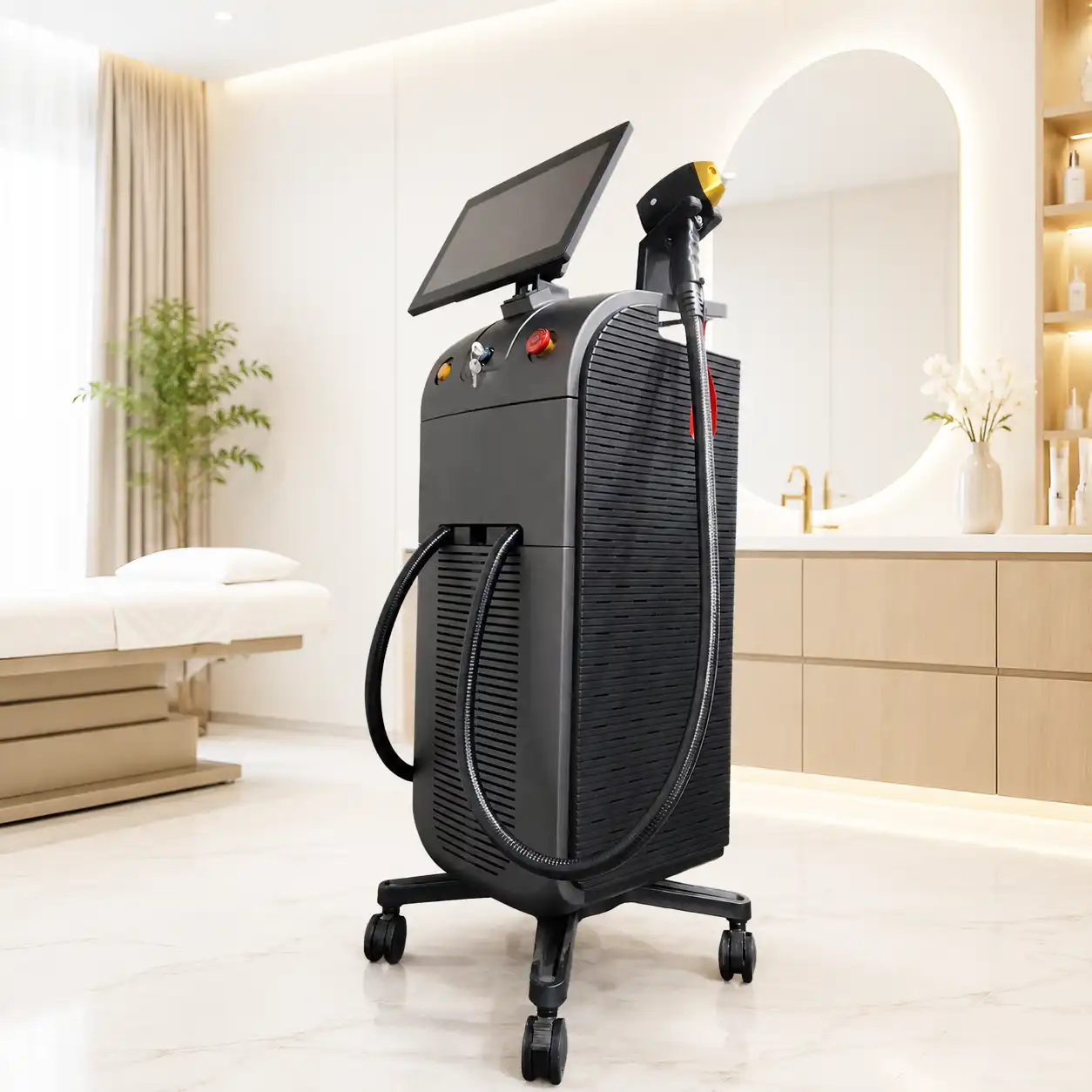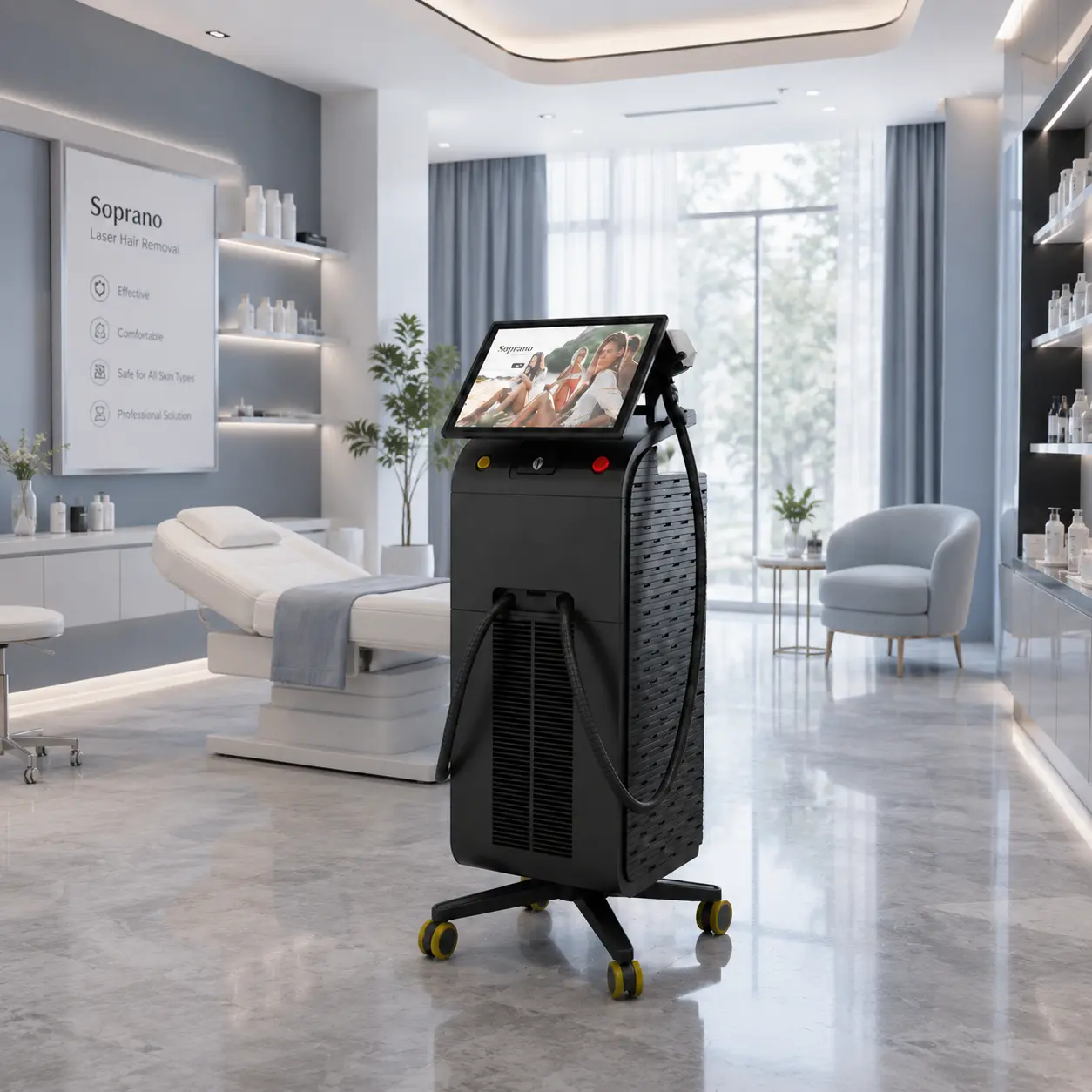
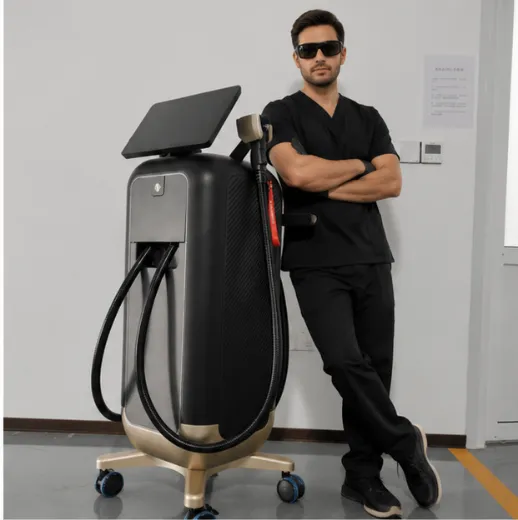
Male grooming has evolved from a niche area into a significant segment of the global medical aesthetics industry, driven largely by demand for minimally invasive cosmetic procedures, dermatology-led skin health treatments, body contouring, hair transplants, and discreet facial rejuvenation(researchandmarket)—with male hair removal experiencing particularly rapid growth.
Why More Men Are Choosing Hair Reduction
The market for male hair removal is steadily growing, driven primarily by demand from fitness enthusiasts, athletes, and business professionals. Hair removal for men a more aesthetic appearance and improved hygiene, while also enhancing overall comfort.
The Most Common Areas Men Remove Hair From
Chest Hair Removal
Back Hair Removal
Arm Hair Removal
Leg Hair Removal
Full Body Hair Removal
What Is the Best Way for Men to Get Rid of Body Hair?
Shaving/ waving
Shaving only deals with hair temporarily; it does not completely remove it.
Diode Laser Hair Removal
The best hair removal for men technology is diode laser technology.
The following is a comparison of several hair removal techniques for men.
| Method | Duration | Pain Level |
| Shaving | 1–3 days | Low |
| Waxing | 3–6 weeks | High |
| IPL | Months | Medium |
| Diode Laser | Years | Low–Medium |
Is Permanent Body Hair Removal for Men Really Possible?
Achieving permanent hair reduction requires laser hair removal technology. The laser penetrates the hair follicles, where melanin absorbs and destroys the laser energy, thereby removing hair.
For men, reducing hair growth requires 7 to 9 treatment sessions. Since laser hair removal works only during the hair’s growth phase, you need multiple treatments. This helps achieve permanent hair removal.
Why Diode Laser Is Considered the Best Hair Removal for Men
Suitable for Thick Male Hair
Men’s body hair tends to be thicker, and diode laser technology works perfectly on all hair types.
Fast Treatment Speed
Body hair removal for men typically takes a long time; however, the large treatment head of laser hair removal machines allows for a “sliding” treatment technique, which significantly increases treatment speed and reduces the time required.
Safe for Different Skin Types
Laser hair removal technology utilizes different wavelengths—755 nm, 808 nm, and 1064 nm—which are suitable for different skin types.
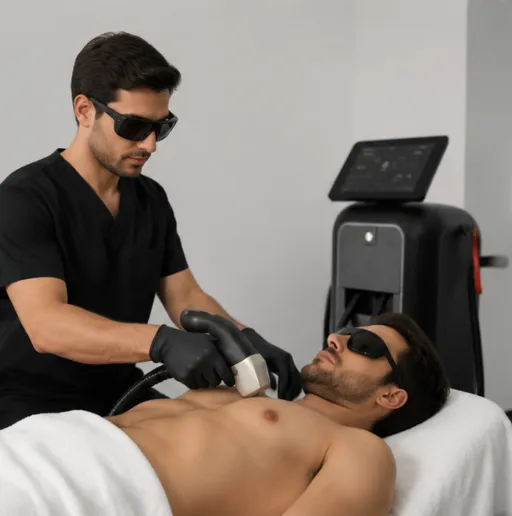
Best Hair Removal for Men by Body Area
| Body Area | Best Method |
| Beard line | Laser |
| Chest | Laser |
| Back | Laser |
| Arms | IPL /Laser |
| Legs | Laser |
| Intimate area | Laser |
Choosing the Right Hair Removal Solution for Men
You can choose different hair removal techniques based on your budget, hair density, skin type, and whether you are looking for long-term results.
Choose Based on Your Hair Type
Men have different hair types—ranging from coarse and thick to fine and soft, or from dense to sparse.
Why is laser hair removal more effective on dark, coarse hair?
Because dark hair contains more melanin to absorb the laser’s energy, while coarse hair has a larger structure capable of retaining more heat, which effectively destroys the hair follicle.
Choose Based on Your Budget
Method | Initial Cost | Long-Term Cost |
Razor | Low | High |
Waxing | Medium | High |
Hair Removal Cream | Low | High |
Home IPL | Medium | Medium |
Professional Laser | High | Low |
Choose Based on Your Lifestyle
If you are an athlete, you might need a solution that offers quick care, reduces sweating, and facilitates easier recovery.
If you are a busy professional, you might want a method that saves time and eliminates the hassle of grooming.
If you travel frequently, you might appreciate not having to carry a razor.
Laser hair removal is suitable for all these groups.
Choose Based on Your Skin Tone
Skin tone is a key factor in selecting a safe and effective hair removal method. Modern professional diode laser systems utilize multiple wavelengths to precisely target hair follicles, minimizing skin stinging and redness while avoiding the risk of post-treatment pigmentation.
Many high-end laser hair removal devices integrate three wavelengths—755nm, 808nm, and 1064nm—to accommodate diverse skin tones and hair types. Below is a detailed breakdown of the suitability for each wavelength:
755nm | Suitable for light skin tones and fine, soft hair
The 755nm wavelength offers high melanin absorption, making it ideal for individuals with Fitzpatrick skin types I–III (light skin tones) and delivering outstanding results on fine, soft hair. It is highly effective for treating areas with delicate hair, such as the face, arms, and chest.
✅ Suitable for:
Light skin tones; blonde to dark brown hair; fine, soft, or medium-thickness hair; smaller treatment areas like the face.
808nm | The universal “gold standard” wavelength; a top choice for men
The 808nm diode laser is the industry benchmark for hair removal. This wavelength strikes an optimal balance between skin penetration depth and melanin absorption, making it suitable for the vast majority of people—and particularly ideal for men.
Since male body hair tends to be coarse, thick, and dense, the 808nm laser can reliably deliver energy deep into the hair follicles, ensuring high efficiency and a comfortable treatment experience.
✅ Suitable for:
Most skin tones (Fitzpatrick types I–IV); dense chest hair, beards, leg hair, and underarm hair; suitable for full-body hair removal.
1064nm | The safest choice for hair removal on dark skin tones
The 1064nm wavelength penetrates deeper into the skin layers with minimal absorption by epidermal melanin. This allows practitioners to treat individuals with dark skin tones with confidence, significantly reducing the risk of burns and post-inflammatory hyperpigmentation.
While this wavelength often requires multiple sessions, it offers the best balance of safety and effectiveness for individuals with higher melanin levels. ✅ Suitable for:
Fitzpatrick skin types IV–VI (darker skin tones); coarse, thick, and dark body hair; and sensitive treatment areas prone to post-inflammatory hyperpigmentation (PIH).
Advantages of Multi-Wavelength Technology
Unlike systems limited to a single wavelength, this new multi-wavelength laser hair removal device integrates 755nm, 808nm, and 1064nm wavelengths into one unit. Operators can flexibly combine these wavelengths based on the client’s skin tone, hair texture, and treatment area to create a customized hair removal plan, offering broader applicability.
| Skin Type | Recommended Wavelength | Common Treatment Areas |
|---|---|---|
| Fair skin | 755nm | Face, arms, chest |
| Light to medium skin | 808nm | Chest, back, legs |
| Medium to dark skin | 808nm + 1064nm | Full body |
| Dark skin | 1064nm | Legs, back, underarms |
FAQ
What is the best hair removal method for men?
Professional diode laser treatment is widely considered one of the best hair removal methods for men because it provides long-term hair reduction, works well on thick body hair, and can treat large areas such as the chest, back, and legs efficiently. The best option ultimately depends on your hair type, skin tone, budget, and desired results.
Unlike shaving or waxing, laser hair reduction targets the hair follicle to slow future growth. While temporary methods require ongoing maintenance, professional laser treatments can significantly reduce hair growth after a series of sessions.
Can men remove all body hair permanently?
Yes, men can achieve long-term hair reduction across most areas of the body, including the chest, back, arms, legs, underarms, and bikini area. However, complete and lifelong removal of every hair cannot be guaranteed because hormones and genetics may stimulate new hair growth.
Most men require multiple laser sessions followed by occasional maintenance treatments to keep the skin smooth.
How much does male laser hair removal cost?
The cost of male laser hair removal varies depending on the treatment area, clinic location, and the number of sessions required. Small areas generally cost less than large areas such as the back or full body.
Although professional laser treatments have a higher upfront cost than shaving or waxing, many people find them more cost-effective over time because they reduce the need for ongoing hair removal products and regular maintenance.
Does laser hair removal hurt for men?
Most men describe laser hair removal as mildly uncomfortable rather than painful. The sensation is often compared to the snap of a rubber band against the skin. Modern diode laser systems with advanced cooling technology help reduce discomfort during treatment.
Areas with thicker hair, such as the chest or beard, may feel slightly more sensitive than the arms or legs. The level of discomfort also varies depending on individual pain tolerance and the laser technology used.
Can laser hair removal reduce ingrown hairs?
Laser treatment can help reduce ingrown hairs by decreasing hair growth.
What should men do before laser hair removal?
Shave the treatment area two days in advance, avoid sun exposure to the area, and stop methods such as plucking or waxing.
Can men do laser hair removal at home?
Compared to professional diode lasers, at-home IPL devices have lower energy output and yield results more slowly.
How many laser hair removal sessions do men need?
Most men need 6–8 sessions for noticeable, long-term hair reduction, although the exact number depends on hair thickness, skin type, and the treatment area.