A profitable laser hair removal service is not only reliant on high-end equipment. For beauty salons, sustainable success depends on professional equipment, well-trained staff, standardized workflows, scientific pricing, systematic client management, and targeted marketing strategies. As a high-demand, recurring revenue beauty project, diode laser hair removal is an ideal service expansion option for salons to attract new clients, improve customer stickiness, and boost long-term profitability.
1. Select High-Quality Diode Laser Hair Removal Equipment
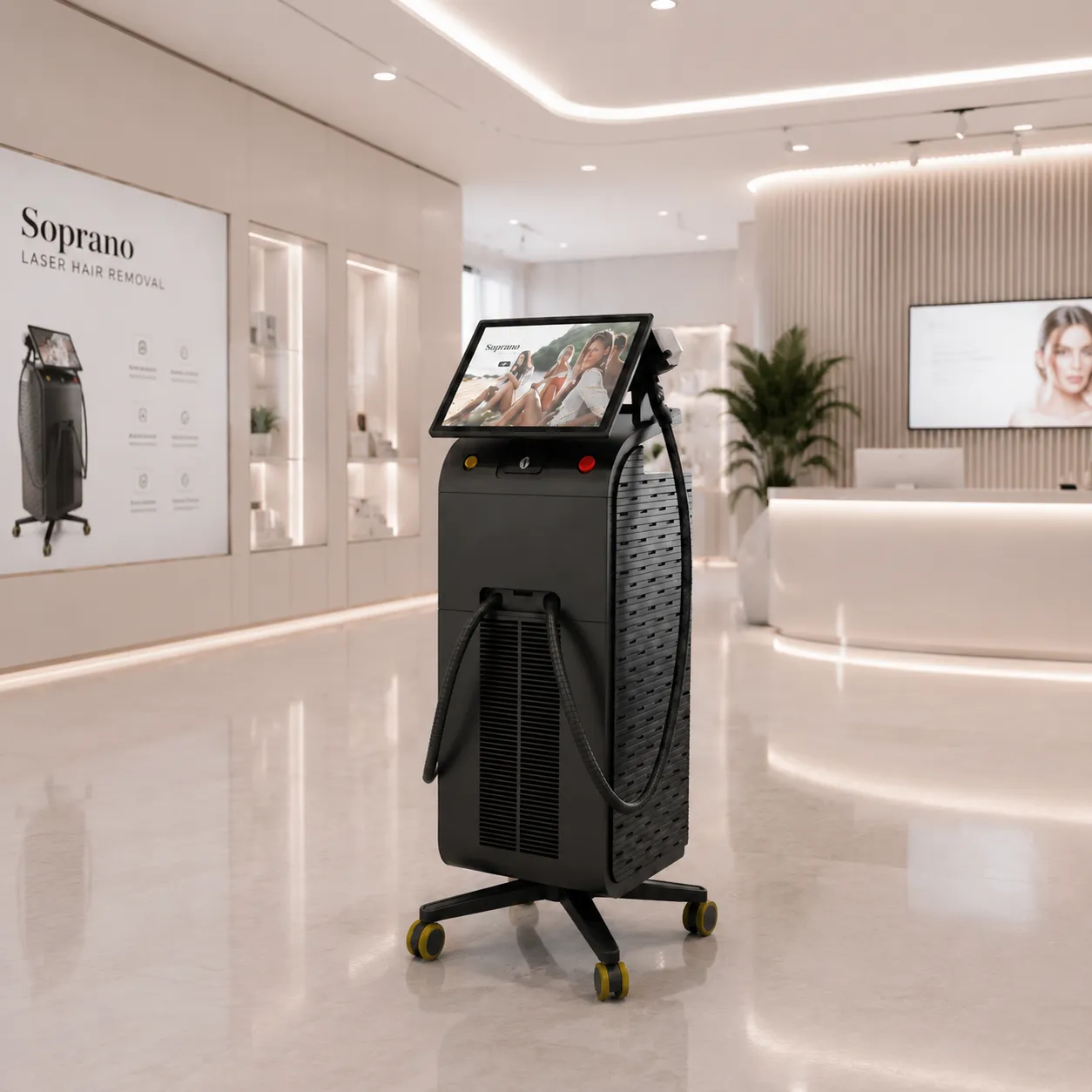
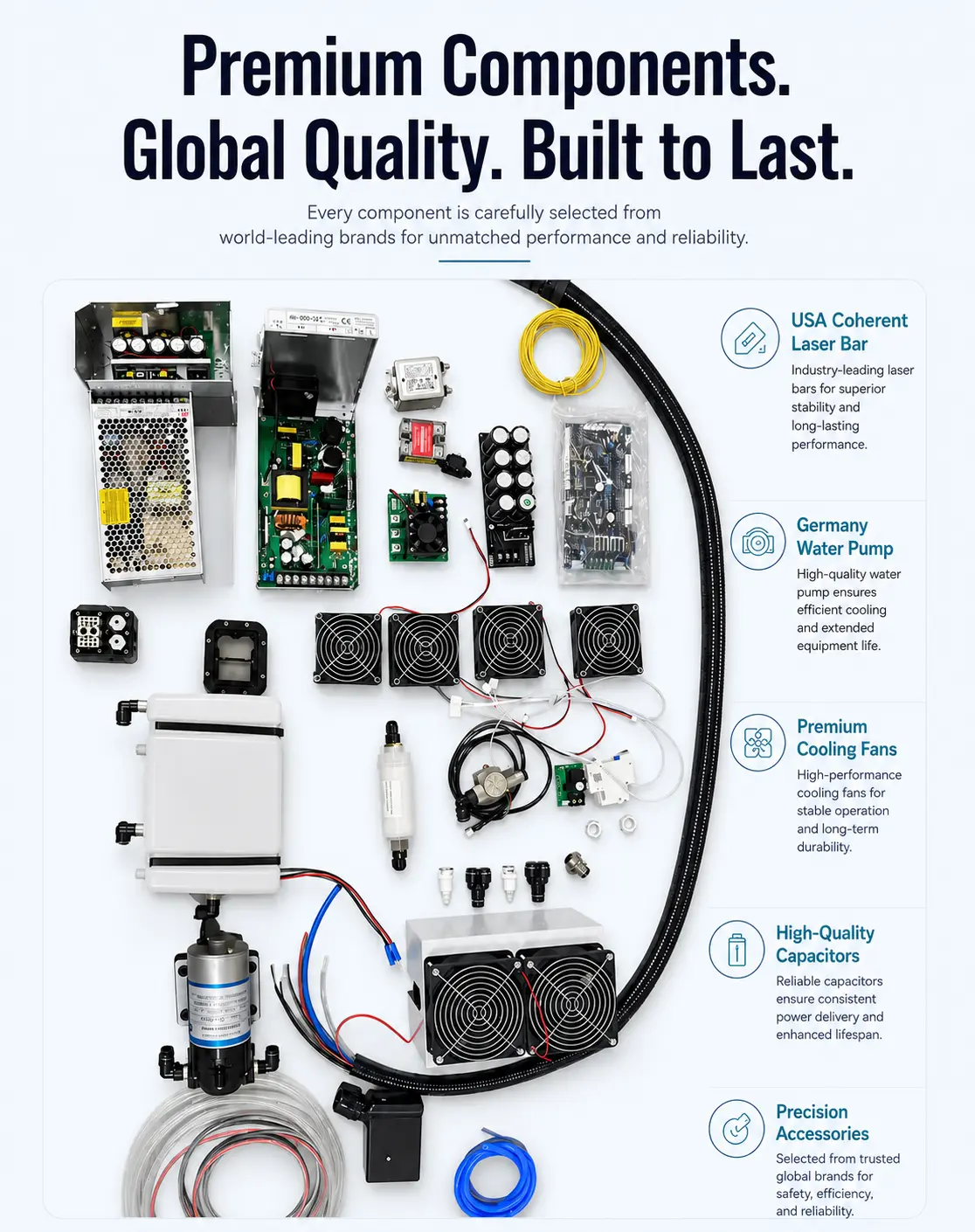
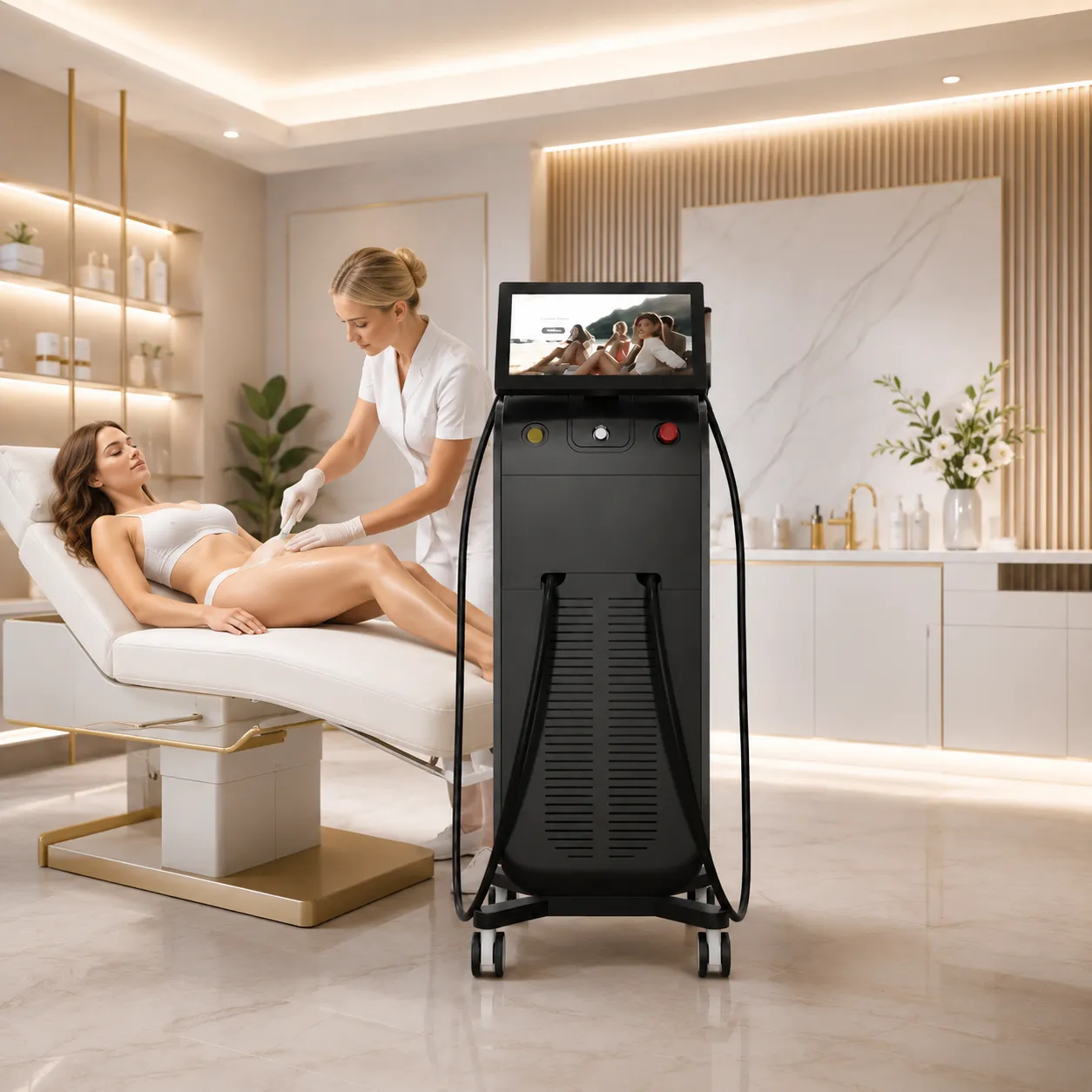
Equipment is the foundation of safe, effective, and efficient laser hair removal services. Salons must choose professional diode laser machines that match their daily treatment volume and business positioning, focusing on stability, safety, and user-friendliness.
Key equipment selection criteria:
- Fast treatment speed to maximize daily client capacity
- Advanced skin cooling technology to reduce pain and skin damage risks
- Ergonomic handpiece design for flexible operation
- Adjustable laser wavelength, energy and pulse settings for diverse skin types and body areas
- Low maintenance cost and complete after-sales technical support
High-performance equipment optimizes service efficiency, improves client experience, and reduces operational error rates.
2. Clarify Target Customer Groups
Precise customer positioning helps salons formulate targeted pricing, packages and marketing plans. Based on salon location and existing client groups, laser hair removal service covers both female and male customers with long-term hair reduction needs.
Core treatment demands by group:
- Young female clients: Underarm, bikini line, arm and leg hair removal
- Male clients: Chest, back, shoulder and beard area hair removal
- General clients: Full-body permanent hair reduction maintenance
Classified customer positioning enables personalized service packages and improves order conversion rates.
3. Build a Standardized Professional Consultation System
Pre-service consultation is the core link to build client trust and improve package conversion. A standardized consultation process avoids blind sales and enhances professional credibility.
Core consultation contents:
- Understand clients’ treatment goals and previous hair removal experience
- Assess skin tone, hair density and physical contraindications
- Popularize professional knowledge: laser hair removal requires multiple sessions for long-term results (no one-time permanent effect)
- Customize exclusive multi-session treatment plans according to client conditions
Scientific consultation guides clients to complete the full treatment course, realizing recurring revenue.
4. Standardize Full Treatment Workflow
Unified and standardized service procedures ensure consistent client experience, reduce operational risks, and improve overall salon efficiency, especially for multiple therapists working with the same equipment.
Complete standardized workflow:
Pre-treatment consultation & skin assessment → Treatment preparation → Precision parameter adjustment → Formal laser treatment → Post-treatment care guidance → Appointment scheduling → Later customer follow-up
All operations must comply with equipment manufacturer specifications and local industry safety regulations to avoid operational accidents.
5. Conduct Systematic Professional Staff Training
High-quality equipment cannot guarantee service quality without professionally trained operators. Regular staff training is essential for service standardization and safety.
Training core modules:
- Equipment operation, parameter adjustment and daily debugging
- Treatment protocols and contraindication judgment
- Skin protection, cooling system operation and emergency response
- Client communication skills and post-treatment service guidance
- Salon hygiene and eye protection standard specifications
Therapists must master flexible parameter adjustment for different skin types and treatment areas instead of fixed unified settings.
6. Optimize Client Comfort with Professional Cooling Technology
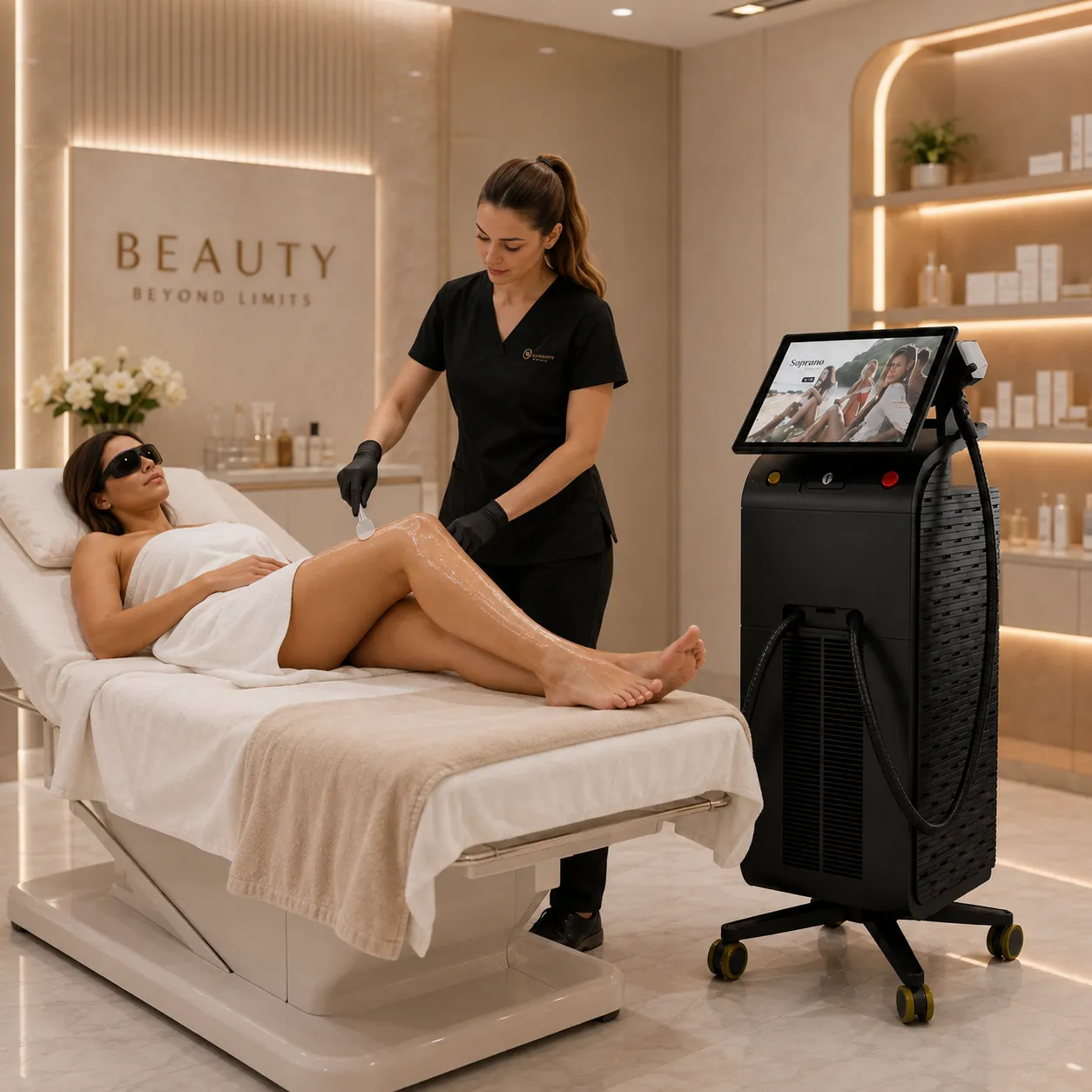
Treatment comfort directly determines client satisfaction, repurchase rate and word-of-mouth communication. Modern diode laser devices are equipped with professional cooling systems, which are core advantages of salon high-quality services.
Efficient cooling technology can effectively protect the skin surface, reduce burning and stinging during treatment, help clients complete multi-session treatments smoothly, and drive spontaneous customer referrals.
7. Formulate Scientific and Competitive Pricing Strategy
Reasonable pricing is the key to profitability and market competitiveness. Salons need to comprehensively calculate operating costs instead of simply pricing by single treatment.
Cost accounting dimensions: equipment depreciation, staff labor, electricity, consumables, venue rent, maintenance fees and marketing costs.
Diversified pricing packages to boost repurchases:
- Single session retail price
- Multi-session combined packages (cost-effective for long-term treatment)
- Partial area fixed packages and full-body hair removal packages
- Seasonal limited promotions and member exclusive discount plans
Package pricing locks in long-term client orders and stabilizes salon recurring revenue.
8. Calculate Revenue and Break-Even Point Accurately
Data-based operation is the premise of sustainable profitability. Salons need to calculate real revenue and break-even point based on actual service capacity, avoiding over-optimistic full-load operation estimation.
Calculation example: If the unit price of a single treatment is $100, 8 clients are served daily, and the monthly operating days are 25 days, the theoretical monthly gross revenue is $20,000.
The actual net profit is determined by comprehensive factors such as operating expenses, staff costs and equipment investment. Salons shall formulate sales targets based on real equipment utilization and client volume.
9. Improve Equipment Utilization Rate
Laser hair removal equipment is a high-value fixed investment. Improving utilization rate is the core to shorten the return cycle and increase profits.
Effective optimization methods:
- Cover multiple treatment areas to meet diverse client needs
- Optimize appointment scheduling to avoid idle equipment time
- Launch off-peak preferential activities to boost low-traffic business
- Cross-sell to existing facial and body care clients
- Open services for both men and women to expand customer groups
10. Targeted Marketing for Existing Clients
Existing salon clients are the most accurate and low-cost customer source for laser hair removal services. Compared with paid external promotion, converting old clients has higher efficiency and lower customer acquisition cost.
High-efficiency marketing channels:
- Official website service page display and Google Business Profile optimization
- Social media content promotion (Instagram, Facebook before/after case sharing)
- Email precision marketing and old client referral benefits
- Professional popular science content to eliminate client service doubts
11. Design Repurchase-Oriented Treatment Packages
Laser hair removal is an inherently repetitive service. Salons should abandon single-session sales thinking and build a full-cycle client service journey.
Standard client repurchase path: Professional consultation → First experience treatment → Post-service follow-up → Multi-session intensive treatment → Regular maintenance
Salons can take the initiative to formulate exclusive appointment cycles for clients and send visit reminders to avoid client churn and ensure the completion of the full treatment course.
12. Track Core Business Operation Metrics
Regular data analysis helps salons accurately grasp service operation status, find operational deficiencies, and optimize business strategies in time.
Key monitoring metrics:
- Number of new laser service clients and monthly treatment volume
- Per capita customer revenue and package conversion rate
- Repeat booking rate and equipment hourly utilization rate
- Customer acquisition cost, monthly operating cost and equipment investment return rate
For example, low package conversion rate with sufficient consultations indicates problems in pricing, communication or consultation process, rather than insufficient market demand.
13. Strict Daily Equipment Maintenance and After-Sales Management
Stable equipment operation is the basis of continuous service. Daily maintenance must be included in the salon’s standardized operation system.
Salons need to follow the manufacturer’s standards for equipment cleaning, cooling system maintenance and handpiece inspection. Before purchasing equipment, fully verify the supplier’s warranty policy, spare parts supply, technical support and after-sales troubleshooting services. Reliable after-sales support effectively reduces equipment downtime and operational losses.
14. Upgrade Overall Client Service Experience
Equipment technology is only the foundation of the service; overall client experience determines word-of-mouth and long-term repurchase. Salons need to pay attention to details beyond treatment technology.
Key experience optimization points: clean and private treatment environment, professional staff etiquette, clear service explanation, convenient appointment system, timely post-treatment follow-up and intimate care guidance. High-quality full-cycle experience significantly improves client satisfaction and referral rate.
15. Build a Long-Term Sustainable Laser Hair Removal Business
The long-term profitability of laser hair removal services does not depend on short-term promotional activities, but on a complete closed-loop business system:stable equipment + professional team + standardized operation + competitive pricing + precise marketing + stable repeat clients.
For beauty salons, diode laser hair removal is a high-value incremental service. Before investment, salons shall comprehensively evaluate local market demand, client consumption capacity, operating costs and manufacturer support. A well-planned laser hair removal project can enrich salon service categories, stabilize recurring revenue, and form a core competitive advantage for long-term business growth.